
Israel's Election Committee Disqualifies MK Ofer Cassif, Balad Party
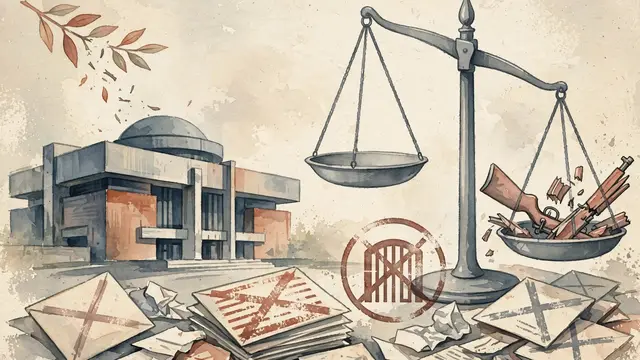
Israel's Central Elections Committee has begun its deliberations on disqualifying candidates and slates from running in the upcoming 26th Knesset elections. So far, it has disqualified Member of Knesset Ofer Cassif of the Hadash party and Sami Abu Shehadeh, chairman of the Balad party. The committee is also considering disqualifying the Joint List, Otzma Yehudit, Religious Zionism, Zehut, Ra'am, and HaDemocratim. The legal basis for disqualification, outlined in Basic Law: The Knesset, Section 7A, prohibits participation in elections if a candidate's or slate's goals, actions, or statements involve denying Israel's existence as a Jewish and democratic state, inciting racism, or supporting armed struggle by an enemy state or terror organization against Israel.
To disqualify a candidate, a request signed by at least one-third of the Central Elections Committee members must be submitted within a week of list submissions. The committee, composed of a Supreme Court justice as chairman and representatives from Knesset parties, makes the final decision. However, any disqualification decision by the committee requires approval from the Supreme Court. While the process for disqualifying a slate is less detailed, requiring no Supreme Court approval, slates can appeal their disqualification to the Supreme Court.
Conversely, the law also allows for appeals against non-disqualification. The Attorney General, the committee chairman, or a quarter of the committee members can appeal to the Supreme Court if they believe Section 7A should prevent a candidate or slate from participating. This process has led to Supreme Court interventions in past elections, overturning committee decisions on disqualifications, notably involving figures like Michael Ben-Ari, Baruch Marzel, and Itamar Ben-Gvir. The current disqualifications of Cassif and Balad are subject to this appeal process.
Legal scholars Dr. Ofir Haddad and Dr. Amir Fuchs of the Israel Democracy Institute criticize the current system, noting that disqualifying candidates and slates restricts the right to be elected. They point out that Israel is unique in having a party-based committee, rather than a professional election commission or a constitutional court, handle such matters. They advocate for a reform to re-examine the Central Elections Committee's role in disqualifications.
The same event, reported separately by each outlet. Open a few to compare what different newsrooms emphasize — and what they leave out.





















Not the same event — other stories that share this one’s people, places, or theme: background, reactions, and follow-ups.