
John Malkovich Pulls Out of Tel Aviv Performance Over Fictional Quotes
Translated & summarized from Cursorinfo by baba
Actor John Malkovich canceled his Tel Aviv performance of "The Music Critic" after organizers issued a press release with fabricated quotes attributed to him. He stated the quotes were unapproved and unacceptable, leading to his withdrawal.
The story in 5 lines · by baba
- John Malkovich canceled his Tel Aviv performance due to fabricated quotes.
- The quotes were attributed to him in a press release by organizers.
- Malkovich stated he did not approve or utter the quoted remarks.
- The Jerusalem Post has since corrected the erroneous information.
- The actor stressed performances do not imply political endorsement.
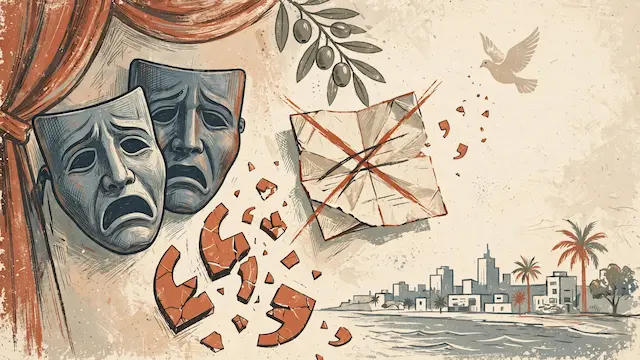
Hollywood actor John Malkovich has withdrawn from a scheduled performance in Tel Aviv after organizers attributed fabricated quotes to him in a press release. The play, "The Music Critic," was slated to be part of Malkovich's extensive European and Middle Eastern tour.
Malkovich learned of the press release, which first appeared in The Jerusalem Post and was later reported by The Hollywood Reporter, detailing his supposed excitement to return to Israel and meet a "warm Israeli audience." The fabricated quotes included expressions of "great closeness and solidarity" and wishes for happiness and optimism.
According to Malkovich, these comments were prepared by a PR company hired by the Israeli promoter and were never approved by him. He stated, "I did not utter these phrases, and they were certainly not approved by me and do not reflect my feelings. The fact that they were published as my direct quotes is unacceptable and inadmissible." Consequently, he decided he could not participate in the Tel Aviv performance.
The Jerusalem Post has since issued a correction, and the attributed quote has been removed. The show's Israeli producer, Alon Yurick, explained the erroneous quote stemmed from a misunderstanding and apologized for the mistake.
Malkovich emphasized that his performances in any country do not signify endorsement of its government's policies, actions, or leaders, nor do they represent solidarity with any political force or movement, or support for violence. He believes art should foster humanity and overcome conflict, and that creative freedom is a powerful form of protest. He asserted that only playwrights, writers, and screenwriters can put words in his mouth for narrative purposes, and no one else should do so without his consent.
Mentioned















