
Fuel Prices in Israel Hit 14-Year High Amid Rising Costs
Translated & summarized from Now 14 by baba
Fuel prices in Israel have reached an 14-year high of 8.25 shekels per liter, with a further increase of 16 agorot taking effect. This follows a volatile year of price fluctuations, and the Finance Ministry is considering reducing excise taxes to ease the burden on drivers.
The story in 5 lines · by baba
- Gasoline prices in Israel hit a 14-year high of 8.25 shekels per liter.
- The latest increase adds 16 agorot to the price of a liter of gasoline.
- Prices have fluctuated significantly throughout the year, with a recent sharp rise.
- A 50-liter fuel tank now costs 70 shekels more than at the start of the year.
- The Finance Ministry is exploring a reduction in excise taxes to lower costs.
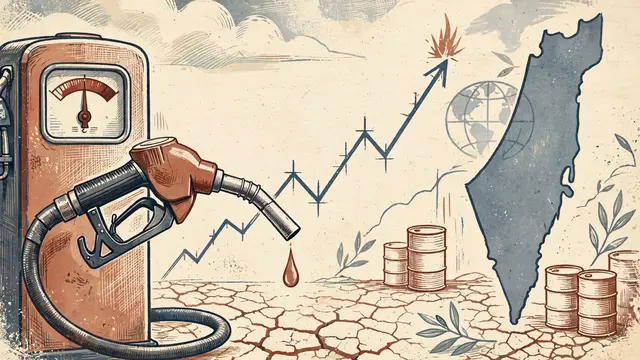
As of midnight between Monday and Tuesday, gasoline prices in Israel have increased again, with the price of a liter of 95-octane self-service gasoline rising by 16 agorot to 8.25 shekels. This marks the highest price recorded in Israel since September 2012. The surcharge for full service has also increased by one agora, from 25 to 26 agorot per liter.
This latest price hike is part of a volatile trend throughout the year. At the start of January, a liter of gasoline cost 6.85 shekels. By March, it reached 7.02 shekels. A significant jump occurred in April, with prices soaring by over a shekel in a single month to 8.05 shekels, attributed to global price increases and regional tensions. Prices remained above 8 shekels in May at 8.07 shekels.
However, a brief period of relief followed with two consecutive price drops in June and July, bringing the price down to 7.48 shekels per liter. This decline was short-lived, as August saw a 61-agora increase to 8.09 shekels, followed by the current 16-agora rise. In total, over the past two months, the price has climbed by 77 agorot per liter.
The financial impact on drivers is substantial. A 50-liter fuel tank, which cost 342.50 shekels in January, rose to 374 shekels in July, 404.50 shekels in August, and will now cost 412.50 shekels. This means a driver filling a 50-liter tank will pay 70 shekels more than at the beginning of the year, and 38.50 shekels more than in July. For households filling up weekly, this could amount to an additional 280 shekels per month.
Finance Minister Bezalel Smotrich is reportedly seeking to reduce the excise tax (blue tax) on fuel to mitigate the price increase for consumers. The excise tax is a significant component of the final price, and its reduction could offset some of the rise. The exact impact will depend on the extent of the reduction and its effective date. While the official price is set to increase, the Ministry of Finance is exploring ways to prevent the full cost from being passed on to drivers.
The same event, reported separately by each outlet. Open a few to compare what different newsrooms emphasize — and what they leave out.
Left 1Centre 5Right 3Haredi 2Other 3













