
Fuel Prices Surge in Israel Amidst Tax Concerns
Translated & summarized from Walla by baba
Gasoline prices in Israel are reaching record highs due to significant taxation, prompting Finance Minister Smotrich to announce a planned reduction in excise tax. The government faces criticism for its reliance on fuel taxes and for failing to lower prices as promised.
The story in 5 lines · by baba
- Gasoline prices in Israel will hit a record high of 8.25 shekels per liter.
- Taxes constitute 72% of the gasoline price, a major contributing factor.
- Prices have risen 20.5% since the current government took office.
- Finance Minister Smotrich announced plans to reduce excise tax on gasoline.
- The government is criticized for relying on fuel taxes and failing to lower prices.
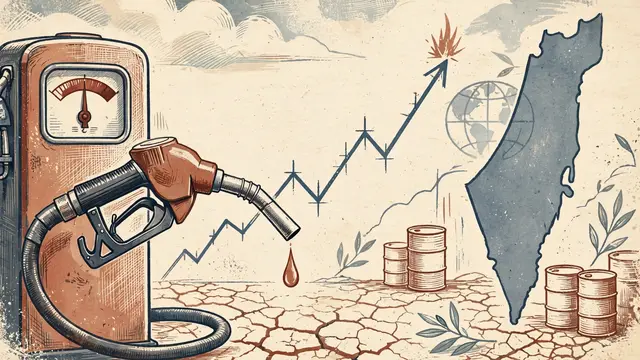
The price of 95-octane gasoline in Israel is set to reach a new high of 8.25 shekels per liter starting tomorrow, the most expensive since September 2012. While global fuel price increases and rising refining margins contribute, the primary driver is identified as excessive taxation. Taxes, including excise and VAT, now account for 72% of the gasoline price, amounting to 4.92 shekels per liter.
Since the current Netanyahu government took office in December 2022, gasoline prices have jumped 20.5%, significantly outpacing the inflation rate. Despite Israel being an energy powerhouse in natural gas, gasoline prices remain among the highest globally. The article criticizes the government for relying heavily on fuel taxes, which generated 25 billion shekels last year, and specifically points to Finance Minister Bezalel Smotrich for allegedly funding settlements with these revenues.
Prime Minister Benjamin Netanyahu, who promised to lower fuel prices during the last election campaign, is accused of doing the opposite. The article urges Netanyahu to intervene and address the cost of living crisis with Smotrich, rather than focusing solely on political matters.
In response to the escalating prices and public outcry, Smotrich has announced plans to reduce the excise tax on gasoline. Professional discussions are underway within the Finance Ministry to determine the exact reduction and mechanism. It appears Prime Minister Netanyahu may have intervened in this decision. However, the article suggests that temporary tax cuts are insufficient and calls for a long-term solution, urging the Finance and Energy ministries to revise the gasoline price calculation formula to be based on more relevant variables.
The same event, reported separately by each outlet. Open a few to compare what different newsrooms emphasize — and what they leave out.
Left 1Centre 5Right 3Haredi 2Other 3













