
US Uses B-1 Bomber in 12th Consecutive Night of Strikes on Iran Near Kuwait Border
Translated & summarized from Ynet by baba
The US military has intensified airstrikes against Iran, using a B-1 bomber for the first time in recent attacks near the Iraq-Iran border close to Kuwait. The strikes targeted multiple Iranian military sites, killing at least two, as Iran warns of possible ground action against Kuwait. This marks the 12th consecutive night of US attacks in the region.
The story in 6 lines · by baba
- US uses B-1 bomber in recent airstrike against Iran, marking 12th consecutive night of attacks.
- Strike targeted Malkiyeh border crossing near Iraq-Kuwait border, killing two Iranian border guards.
- Additional attacks hit Andimeshk area, an airport, seaport, and a ship in Iran.
- US Central Command confirmed strikes on Iranian military and naval facilities, missile storage, and air defenses.
- B-1 bomber carries large payloads and advanced reconnaissance, enhancing US strike capabilities.
- Iran warns it may deploy ground forces against Kuwait amid ongoing conflict escalation.
The US military has employed a B-1 bomber in one of its recent airstrikes against targets in Iran, marking the 12th consecutive night of attacks. The B-1, capable of carrying up to a ton of bombs or dozens of cruise missiles and flying at supersonic speeds, took off from Britain and was tracked by monitoring sites, though the US Central Command did not officially confirm its involvement. This deployment was described by Axios as a significant escalation in the ongoing conflict.
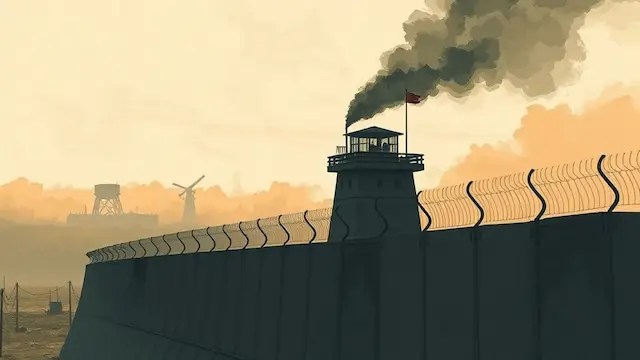
Among the reported targets was the border crossing area of Malkiyeh between Iran and Iraq, located approximately 50 kilometers from the Iraq-Kuwait border. This region has been a focus of Iranian threats since the conflict began. Iranian sources reported that American missiles struck a rest area used by the Iranian border guards, resulting in two fatalities. Another target reportedly hit was the Andimeshk area, about 80 kilometers from the Iraq border.
US Central Command released footage showing an airstrike on a moving vehicle in Iran, along with attacks on an airport area, a seaport, and a ship that caught fire immediately after the strike. The command stated that the strikes targeted Iranian military assets including naval capabilities, missile storage, drone facilities, coastal surveillance sites, and air defense infrastructure. Since the resumption of hostilities, the US has attacked dozens of Iranian military targets.
The B-1 bomber, less well-known than the stealthier B-2 used in the "Midnight Hammer" operation against Iranian nuclear sites, is designed for high-speed, low-detection missions. It can carry a larger payload than any other Western combat aircraft, including up to 84 smart glide bombs, 36 long-range cruise missiles, and enough cluster munitions to cover over 5 square kilometers. It can remain over combat zones for more than six hours, providing close support to ground forces, and is equipped with advanced reconnaissance systems to distinguish between enemy targets and friendly troops.
Iran has so far refused to change its stance and has issued warnings that it may deploy ground forces against Kuwait, which it has targeted since the conflict's outset. The situation remains tense as the US continues its air campaign against Iranian military positions near the Iraq-Iran border region.

