
US Launches First B-1 Bomber Strikes in Iran Amid Rising Tensions
Translated & summarized from Kikar HaShabbat by baba
The US military launched its first B-1 bomber strikes in Iran during ongoing attacks targeting Iranian military sites and naval capabilities. Iran's Revolutionary Guards declared the Strait of Hormuz closed, escalating tensions. The US warned of severe retaliation, while Israel prepares for potential wider conflict.
The story in 6 lines · by baba
- US military conducted 12 consecutive nights of strikes in Iran, using B-1 bombers for the first time this round.
- Targets included Iranian naval assets, missile storage, drone sites, and air defenses.
- CENTCOM enforces a naval blockade, redirecting commercial ships to prevent Iranian port access.
- Iran's Revolutionary Guards declared the Strait of Hormuz closed amid US military activity.
- President Trump warned of immediate retaliation against Iranian infrastructure if the strait is attacked.
- Israel was informed of US plans to escalate, with Mount Hermon a potential target.
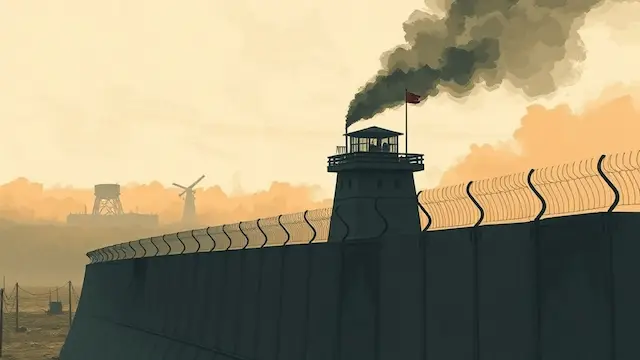
The United States military conducted a series of airstrikes against multiple targets in Iran overnight, marking the twelfth consecutive night of attacks in the current escalation. For the first time in this round of conflict, the US deployed B-1 strategic bombers to destroy Iranian military assets. According to a statement from US Central Command (CENTCOM), the strikes targeted Iranian naval capabilities, missile storage facilities, drone sites, coastal observation posts, and air defense systems. CENTCOM emphasized that these operations further degrade Iran's ability to threaten civilian mariners and commercial shipping.
CENTCOM also reported that this month alone, US forces have attacked dozens of Iranian military sites on land while renewing a naval blockade against Iran. To enforce this blockade, US forces have redirected nine commercial vessels and neutralized one to prevent entry or exit from Iranian ports. Despite Iranian aggression, CENTCOM stated that the Strait of Hormuz remains open for commercial shipping, assisting approximately 900 commercial ships and the transit of 450 million barrels of crude oil since early May.
In response, Iran's Islamic Revolutionary Guard Corps (IRGC) declared the Strait of Hormuz completely closed under their control as long as US military activity continues in the region. The IRGC warned that no oil tankers would be allowed passage without prior coordination with Iranian authorities. IRGC Air Force Commander Mousavi threatened to cut electricity to US regional allies if Iranian infrastructure is attacked.
US President Donald Trump issued a stern warning to Iran, threatening immediate military retaliation against strategic Iranian infrastructure, including bridges and power plants in Tehran, should the Strait of Hormuz be targeted. Trump reiterated opposition to Iran acquiring nuclear weapons and cautioned that Tehran would "pay a heavy price." He also expressed concern about rising fuel prices due to potential closure of the strait.
Reports indicate that the US has informed Israel of plans to significantly escalate military actions against the Iranian regime. Israeli security officials expect that the upcoming strikes may include the strategic Mount Hermon site, previously mentioned by President Trump as a target. Iranian Parliament Speaker Mohammad Baqer Qalibaf responded by asserting that in regions where Iran does not sell oil, no one else will, and vowed the Strait of Hormuz will not return to its pre-conflict status. Meanwhile, Britain has evacuated its diplomatic staff from Iran amid fears of further escalation.
Mentioned

