
Israel's Political Stalemate: Navigating Government Formation Options
Translated & summarized from Kan News by baba
Following recent elections, Israel faces a political stalemate as no bloc has secured a majority to form a government. Political commentator Yoav Krakovsky analyzed historical government formation models, including minority governments, rotation agreements, and unity governments, while also considering the likelihood of new elections. The discussion also delved into election prediction methods and voter demographics.
The story in 5 lines · by baba
- Israel faces a political stalemate with no clear majority to form a government after recent elections.
- Political commentator Yoav Krakovsky examined past government formation strategies.
- Options discussed include minority governments, rotation agreements, and unity governments.
- The possibility of a repeat election remains a significant consideration.
- Election prediction methods and voter representation were also analyzed.
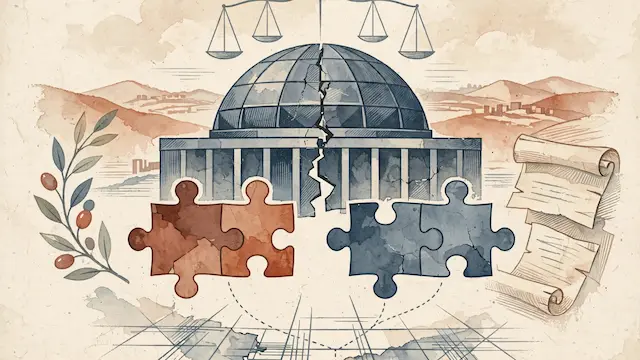
The question of forming a government in Israel has become the most critical political issue following the recent elections, as neither the largest party nor the largest bloc has secured a majority. This complex situation necessitates a careful examination of all potential pathways, including historical precedents for government formation.
Political commentator Yoav Krakovsky discussed the various options available, drawing parallels to past governments. These include minority governments, rotation agreements, governments with the support of Arab parties, and unity governments. Krakovsky also addressed the possibility of a repeat election.
The discussion also touched upon the methods used to predict election outcomes, specifically behind-the-scenes insights into the "Kan" poll, which surveys voters from their social media feeds to the ballot box, and explores which demographics, such as young people, are represented in the voting process.
Mentioned




