
Israeli Markets Rebuffed as Election Results Signal Political Stalemate
Translated & summarized from Walla by baba
Israeli financial markets experienced a downturn following election results that pointed to a political stalemate, contrary to investor expectations of a "change bloc" victory. The dollar strengthened against the shekel, and stock markets fell, especially in banking and real estate, due to fears of economic instability. Investors had anticipated reforms and a new state budget under a potential new government. The article calls for an economic "new deal" between the ruling coalition and the opposition to prevent further harm to the economy and citizens.
The story in 5 lines · by baba
- Israeli markets fell as election results indicated a political stalemate, disappointing investor hopes for a "change bloc" victory.
- The dollar strengthened against the shekel, and stock markets declined, particularly in banking and real estate sectors.
- Investors had anticipated economic stability and reforms, including budget approval and new policies, from a potential "change bloc" government.
- The current political deadlock is expected to increase economic uncertainty and negatively impact ordinary citizens.
- The article urges Prime Minister Benjamin Netanyahu and the opposition to forge an economic "new deal" to stabilize the situation.
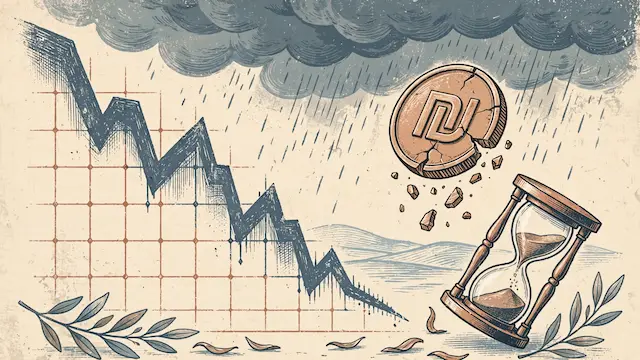
Israeli financial markets reacted negatively to the election results, which indicated a political deadlock rather than the anticipated "change bloc" victory. Investors had hoped for a shift in government, which they believed would bring economic stability and reforms. This optimism was reflected in the market prior to the election, with the dollar falling against the shekel by approximately 1.5% and the Tel Aviv 35 stock index rising by 1.9% on election day.
However, as the actual results began to emerge, the trend reversed. The dollar strengthened against the shekel, and stock markets experienced declines, particularly in the banking and real estate sectors. This downturn was attributed to fears of economic chaos and a dangerous stalemate that could harm the economy. The expectation was that a victory for the "change bloc" would lead to increased certainty and international market confidence, with immediate actions like approving a state budget, setting new economic priorities, and launching reforms.
These anticipated reforms included changes in education, encouraging employment among the Haredi (ultra-Orthodox) population, addressing the draft law, and fundamental changes in the Arab sector. Tax reforms to increase revenue and reduce inequality were also expected, alongside urgent appointments such as a State Comptroller and a Director-General for the National Insurance Institute.
With the confirmation of a political stalemate, it became clear these measures would not be implemented, leading to greater economic and political uncertainty. The article calls for an immediate "new deal" between the coalition and opposition on economic matters. Prime Minister Benjamin Netanyahu is urged to act as a responsible economic leader, with the opposition needing to reach agreements on budget approval, coalition funding, and the defense budget. Experienced economic figures like former Ministry of Finance Director-General Keren Turner and former Budget Division head Shaul Meridor are mentioned as potential aids in finding a path to economic agreements. The current impasse is predicted to ultimately harm ordinary citizens.
Benjamin Netanyahu voted at the Gonenim school in Jerusalem on October 27, 2026.
Mentioned
The same event, reported separately by each outlet. Open a few to compare what different newsrooms emphasize — and what they leave out.
Centre 1Other 2


Not the same event — other stories that share this one’s people, places, or theme: background, reactions, and follow-ups.



