
Israeli Election Stalemate Could Keep Netanyahu in Power, Avoid Accountability
Translated & summarized from Al-Shams by baba
An Israeli election stalemate may allow Prime Minister Benjamin Netanyahu to remain in power and avoid accountability for the October 7th failures, according to Haaretz analyst Amos Harel. The unclear election results suggest a period of political deadlock, benefiting Netanyahu by preventing immediate political change. Harel warned this situation could lead to Netanyahu evading responsibility and could worsen security on multiple fronts.
The story in 5 lines · by baba
- Israeli election results may lead to a political stalemate, keeping Benjamin Netanyahu in power.
- Analyst Amos Harel warns Netanyahu could avoid accountability for October 7th failures.
- The election outcome did not provide a clear winner, indicating a period of political deadlock.
- A narrow margin between political blocs reduces chances of forming a minority government.
- Netanyahu remaining in office could complicate security on multiple fronts, including Iran.
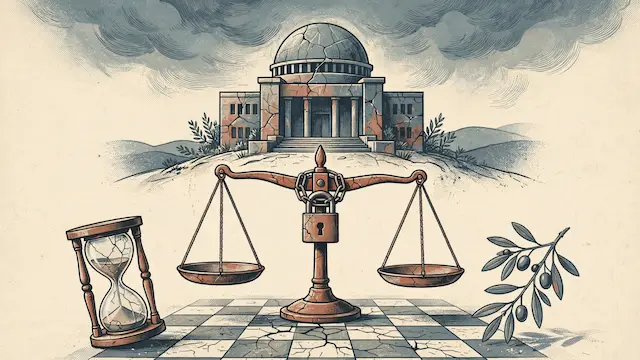
An Israeli political stalemate following the recent Knesset elections could potentially keep Prime Minister Benjamin Netanyahu in power and shield him from accountability for failures related to the October 7th events, according to Amos Harel, military analyst for the newspaper Haaretz. In an analysis published Wednesday evening, Harel explained that the election results did not produce a clear winner among the political blocs, suggesting a period of political deadlock. He noted that the narrow margin between the blocs, contrary to pre-election polls, has reduced the likelihood of forming a minority government and thus any rapid political change.
Harel argued that the current situation benefits Netanyahu, who had feared losing the election, though he stressed that avoiding defeat does not equate to a political victory. The analyst warned that Netanyahu remaining in office could allow him to evade accountability for the failures preceding the October 7th attacks. Furthermore, it could complicate the security situation on multiple fronts, including the Palestinian territories, Israel's borders, and potentially Iran.
Mentioned



