
Israeli Markets Plunge Amidst Election Uncertainty and Economic Paralysis Fears
Translated & summarized from Hamal by baba
The Tel Aviv Stock Exchange fell sharply after elections due to fears of political deadlock and potential economic paralysis. The shekel weakened against the dollar, reversing earlier gains. Experts warn of continued market volatility and potential further declines if risks like sanctions are not priced in. Investors are advised to review their portfolio allocations.
The story in 5 lines · by baba
- Israeli stock market plunged amid election uncertainty and fears of economic paralysis.
- The shekel weakened against the dollar, reversing earlier post-election optimism.
- Investors worry about the inability to form a stable government for economic decisions.
- Market volatility is expected to continue for at least another week.
- Experts warn of potential further declines due to unpriced risks like sanctions.
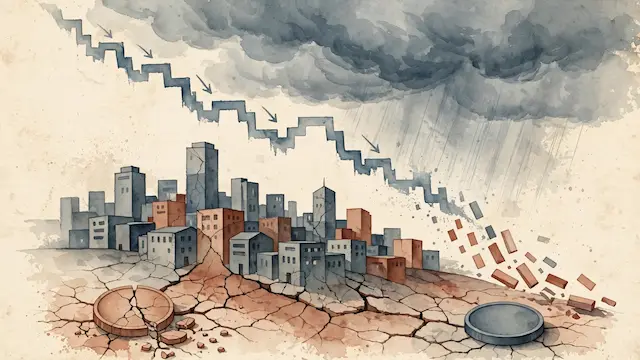
The Tel Aviv Stock Exchange experienced significant declines following the recent elections, reversing earlier optimism that had seen the dollar weaken. Investors are now concerned about political deadlock, which could lead to a prolonged period of economic paralysis in Israel. The main indices have seen sharp drops, with the banking index losing approximately four percent. The shekel has also weakened against the dollar, a reversal of yesterday's trend.
Market participants had hoped for election results that would facilitate the formation of a stable government capable of making difficult economic decisions. However, the current uncertainty means that no political faction appears able to implement the necessary measures for economic recovery and growth. She noted that while the vote count itself isn't the primary issue, the inability to form a functional government capable of action is the market's main concern.
Alkalay warned that the stock market could decline further, particularly if it fails to price in potential negative developments such as sanctions that could be imposed on November 20th or an escalation of the ongoing conflict. She believes the current four percent drop in the banking index does not reflect these risks. The market is expected to remain volatile for at least the coming week, and potentially longer.
Currency markets are also anticipated to be volatile, with the risk premium on the shekel-dollar exchange rate having increased and potentially rising further. Alkalay advised investors to review their portfolios for balance, suggesting that traders with short-term horizons should consider reducing their exposure to the Israeli market due to the elevated risk premium.
The same event, reported separately by each outlet. Open a few to compare what different newsrooms emphasize — and what they leave out.
Centre 2Right 1Other 1



Not the same event — other stories that share this one’s people, places, or theme: background, reactions, and follow-ups.



