
Israeli Supreme Court Rejects Bid to Ban Guns in Voting Booths
Translated & summarized from Arab48 by baba
Israel's Supreme Court rejected a petition by Adalah and the Joint List to ban poll workers from carrying weapons inside voting stations during Knesset elections. The petition cited fears of intimidation against Arab voters by armed observers from the Likud and Religious Zionism parties. The court deferred to police assessments that no serious threats warranted such a ban, though critics argue the ruling allows for armed intimidation in Arab communities.
The story in 6 lines · by baba
- Israel's Supreme Court rejected a petition to ban poll workers from carrying weapons in voting stations.
- Adalah and the Joint List argued armed observers could intimidate Arab voters.
- The court deferred to police assessments that no serious threats justified the ban.
- Justice Gila Kenafy Steinmetz noted security preparations considered the concerns.
- Joint List head Yousef Jabareen criticized the ruling as failing to protect the Arab public.
- Adalah stated the decision allows for an armed, militia-like presence in Arab towns.
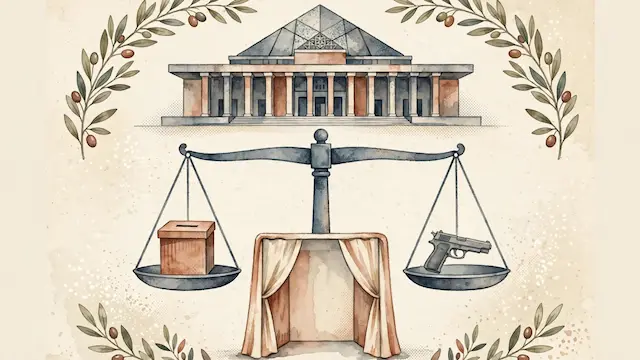
Israel's Supreme Court on Sunday evening rejected a petition by Adalah and the Joint List that sought to prevent poll workers from carrying weapons inside voting stations during Knesset elections. The petition was filed following announcements by the Likud and Religious Zionism parties that they intended to deploy approximately 2,000 observers in Arab towns and mixed cities. Petitioners expressed concerns that armed party representatives could intimidate Arab voters and deter them from casting ballots, potentially leading to confrontations.
In its response, the state argued that police professional judgment should not be overridden, as law enforcement saw no serious threats or operational need to prohibit poll workers from carrying firearms. The state added that armed individuals would receive specific instructions emphasizing that weapons are only for self-defense and should be carried discreetly. Police claimed there were no indications of expected disturbances, electoral process disruptions, or planned threats against voters.
The Supreme Court stated that there was no justification to interfere with the assessments of the police and the election committee chairman. Justice Gila Kenafy Steinmetz acknowledged the petitioners' concerns were considered in election day preparations but did not warrant changing existing instructions, given intelligence and security assessments. The court emphasized that police have broad discretion in matters of security and public order, and judicial intervention is limited to exceptional cases.
Yousef Jabareen, head of the Joint List, criticized the ruling, stating that fair elections require a ban on weapons in polling stations. He asserted that the Supreme Court has again shown it cannot protect the Arab public from the "racist right-wing government." Jabareen accused Prime Minister Benjamin Netanyahu of being panicked by rising Arab voter turnout and resorting to desperate provocations. He predicted a strong response from the public, with large numbers exercising their democratic right to vote.
Adalah argued that the state and election committee ignored the core issue of intimidating Arab voters with weapons carried by organized right-wing activists. The organization contended that the decision to allow party representatives to carry weapons was based on a police stance formulated before the Likud and Religious Zionism announced their planned "racist" campaign in Arab towns. Adalah pointed out the irony that police do not prevent the carrying of weapons, even long guns, inside polling stations, while requiring representatives to pledge to carry them discreetly. The group concluded that the ruling effectively permits provocateurs to display an armed, militia-like presence in Arab towns.
Mentioned
The same event, reported separately by each outlet. Open a few to compare what different newsrooms emphasize — and what they leave out.
Arab 2

Not the same event — other stories that share this one’s people, places, or theme: background, reactions, and follow-ups.



