
Election Day Logistics: Key Numbers Revealed for Israel's 26th Knesset Vote
Translated & summarized from Kipa by baba
Israel's 26th Knesset elections are scheduled in two days, with 7,331,981 eligible voters expected to use 12,018 polling stations. Preparations include free public transport, the printing of 450 million ballots, and the deployment of 100,000 election workers and supervisors. The Central Elections Committee has released these logistical details ahead of the vote.
The story in 6 lines · by baba
- Over 7.3 million Israelis are eligible to vote in the upcoming 26th Knesset elections.
- 12,018 polling stations and 18,000 ballot boxes will be set up across the country.
- 6,209 polling stations will be accessible to voters with disabilities.
- Free public transportation, including all Israel Railways lines, will be available on election day.
- 450 million ballots were printed using 250 tons of paper for the elections.
- Around 100,000 people will work on election day, including supervisors using 15,000 cameras.
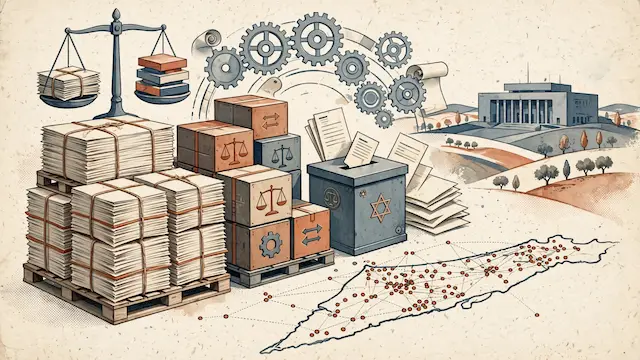
With two days remaining until the 26th Knesset elections, the Central Elections Committee has released figures detailing the extensive preparations for the vote. A total of 7,331,981 eligible voters are set to cast their ballots. The election infrastructure will include 12,018 polling stations and 18,000 ballot boxes nationwide, with 6,209 of these stations designated as accessible.
To facilitate voter access, 660 intercity public transportation lines, including all Israel Railways routes, will operate free of charge on election day. The printing process for ballots involved 450 million voting slips produced from 250 tons of paper, with each party's list accounting for 11.5 million slips. Following the elections, over 400 tons of paper and cardboard will be recycled.
The Central Elections Committee, which normally operates with 40 staff members, will expand to 1,200 employees for the election period. On election day itself, approximately 100,000 individuals will be involved, including election integrity supervisors utilizing around 15,000 cameras to document the vote count. These efforts are coordinated under 20 regional election committees across the country to ensure a proper, accessible, and supervised electoral process.
The same event, reported separately by each outlet. Open a few to compare what different newsrooms emphasize — and what they leave out.
Left 1Right 2Haredi 2




Not the same event — other stories that share this one’s people, places, or theme: background, reactions, and follow-ups.




