
Israel Enters Final Week of Elections for 26th Knesset
Translated & summarized from Now 14 by baba
Israel is in the final week before the 26th Knesset elections on October 27, with Prime Minister Benjamin Netanyahu's right-wing government facing opposition parties that have not yet unified behind a single leader. Key issues include national security, the economy, and judicial reform. The election outcome will determine the country's future leadership and policy direction, with both blocs intensifying their final campaign efforts.
The story in 5 lines · by baba
- Israel enters the final week of campaigning for the 26th Knesset elections on October 27.
- Prime Minister Benjamin Netanyahu's right-wing government faces an opposition not unified behind a single leader.
- Key election issues include national security, the economy, and judicial reform.
- Right-wing parties are working to prevent vote fragmentation and ensure a majority.
- Opposition parties are focused on internal leadership struggles and unseating Netanyahu.
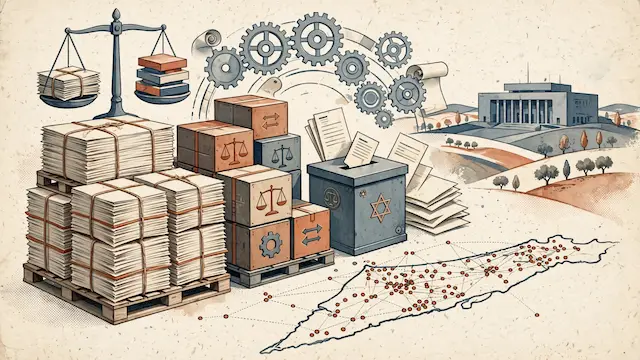
Israel is entering the final week of campaigning for the 26th Knesset elections, scheduled for Tuesday, October 27. After months of political rallies, debates, and voter outreach, only three days remain until polling stations open. The nation's citizens will decide who will lead the country for the next four years.
The election centers on the right-wing government led by Prime Minister Benjamin Netanyahu, seeking a renewed public mandate, versus the opposition parties. The opposition has not yet presented a unified candidate for prime minister, with leaders like Gadi Eisenkot, Naftali Bennett, and Avigdor Lieberman each aiming to strengthen their political standing, leaving the question of joint leadership unresolved.
The current election campaign is taking place against a complex security and political backdrop, including the campaign against Iran, threats from the north, the future of the Gaza Strip, and strategic relations with the United States. Public debate has also focused on the justice system, the conscription of Haredi men, and the rising cost of living. Significant policy differences exist between the political camps, and the election outcome will shape the next government's direction.
Within the right-wing bloc, recent efforts have focused on securing votes and preventing the fragmentation of support among lists that might not pass the electoral threshold. A key point of contention is the independent candidacy of Ofer Winter, who has resisted pressure to withdraw. On Friday, approximately 150 senior Religious Zionist rabbis issued a public letter warning against splitting right-wing votes, after a meeting with Winter failed to change his stance. Netanyahu has pledged to "eliminate the judicial dictatorship."
Meanwhile, the opposition is grappling with internal struggles over leadership and inter-party power dynamics. Despite a shared goal of replacing Netanyahu, party leaders have not yet presented a consensus leadership or government composition. The possibility of post-election cooperation remains a central topic of political discussion, with campaign declarations expected to be tested once results are announced. In the remaining days, party leaders will intensify efforts to mobilize supporters and persuade undecided voters, aiming to boost turnout. The right-wing bloc seeks to maintain its strength and ability to form a government, while opposition parties aim to shift the balance of power in the Knesset and end Netanyahu's tenure.
Mentioned
The same event, reported separately by each outlet. Open a few to compare what different newsrooms emphasize — and what they leave out.
Left 1Right 2Haredi 2




Not the same event — other stories that share this one’s people, places, or theme: background, reactions, and follow-ups.



