
Israel Gears Up for Knesset Elections: A Comprehensive Guide to Voting and Results
Translated & summarized from Vesty by baba
Israel will hold its 26th Knesset elections on October 27, with over 12,000 polling stations opening. Preliminary results are expected by 10:00 PM on election night, but final results, including a record number of 'double envelope' ballots from soldiers and others, are anticipated by noon on October 29. The vote count and seat allocation process will adhere to legal deadlines, with the new Knesset sworn in on November 10, followed by government formation efforts.
The story in 6 lines · by baba
- Israel's 26th Knesset elections are scheduled for Tuesday, October 27, with results expected by noon on October 29.
- A record number of 'double envelope' ballots, estimated at 650,000, are expected to significantly influence seat allocation.
- Polling stations will operate from 7:00 AM to 10:00 PM, with special hours for hospitals, nursing homes, and prisons.
- Preliminary election results will be released on election night, but final outcomes may differ significantly.
- The new Knesset is set to be sworn in on November 10, initiating the process of forming a new government.
- Measures are in place to prevent fraud, including inspectors and party representatives at polling stations.
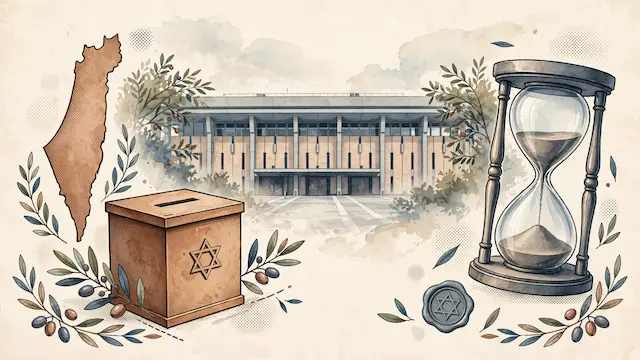
Israel is set to hold its 26th Knesset elections on Tuesday, October 27, marking the first scheduled election in nearly 40 years. Over 12,000 polling stations will open, with most operating from 7:00 AM to 10:00 PM, while special provisions are in place for hospitals, nursing homes, and prisons, which will close at 8:00 PM. Following the close of polls, a significant logistical operation will commence to count the ballots from 38 competing lists. Election committee members will tally votes and verify voter numbers against registration lists. Results will be compiled into protocols, reviewed by regional committees, and finally submitted to the Central Elections Committee (CEC). The CEC anticipates announcing the final results by 12:00 PM on Thursday, October 29, well within the legal eight-day deadline of November 4.
Measures to prevent fraud include the presence of election inspectors and party representatives at all polling stations, tasked with reporting any irregularities. The CEC, located in the Knesset building, will conduct a thorough review of incoming data to ensure no violations occurred. In some cases, ballot boxes may be reopened for a recount, a process that typically takes 1.5 to 2 days.
Preliminary election results, known as 'midgam,' will be broadcast by Israeli TV channels immediately after polls close at 10:00 PM on October 27. However, these are based on sample data and may differ significantly from the final outcomes, especially in closely contested elections. Official data will begin to be published on the CEC website on the night of October 28, with ongoing updates throughout the day. A complete picture will not be available until after the counting of ballots in 'double envelopes' is finalized. These include votes from soldiers, police, hospital patients, nursing home residents, prisoners, and individuals who voted at accessible polling stations. Votes from Israeli representatives abroad, cast on October 15, will also be counted starting October 28. The double envelopes are counted at the Knesset to prevent double voting; any instance of a citizen voting twice will be reported to the police, and both ballots will be disqualified.
The CEC expects a record number of double-envelope ballots, an estimated 44% increase from the previous election, totaling around 650,000 compared to over 460,000 in 2022. This surge is attributed to increased army reserve duty and a larger number of citizens displaced due to military operations. These ballots could represent up to 15 parliamentary seats and potentially decide the fate of parties near the electoral threshold.
The process of allocating parliamentary seats involves several stages: verifying valid ballots, identifying parties that fall below the 3.25% electoral threshold, summing votes for qualifying parties, and dividing by 120 seats. Seat distribution also accounts for surplus vote-sharing agreements between parties and the distribution of any remaining seats through the Bader-Ofer method, which favors parties with the highest vote counts.
The number of votes required per seat depends on voter turnout. With an estimated 70% turnout, the electoral threshold is projected to be around 165,635 votes, compared to 36,000 votes per seat in 2022 when turnout was approximately 75%. The Knesset is scheduled to be sworn in on November 10, two weeks after the election. Subsequently, the President will consult with party factions to recommend a candidate for Prime Minister, who will then have 28 days, extendable by 14 days, to form a government. Failure to form a government within this period could lead to new elections.
The same event, reported separately by each outlet. Open a few to compare what different newsrooms emphasize — and what they leave out.
Centre 1Arab 2Other 3






Not the same event — other stories that share this one’s people, places, or theme: background, reactions, and follow-ups.



