
Netanyahu's Shift: From Economic Growth to Sanctions Evasion
Translated & summarized from Cursorinfo by baba
Israeli Prime Minister Benjamin Netanyahu is reportedly preparing for potential economic sanctions by proposing the use of blockchain and digital currencies to bypass restrictions. This strategy, outlined by journalist Liat Ron, shifts focus from preventing sanctions to managing their consequences. Netanyahu has tasked officials with developing a plan for a "sanctions-bypassing economy," acknowledging fears of sanctions against the financial system. Ron argues that these technologies cannot replace global banking or trade and that the government should prioritize preventing sanctions rather than just circumventing them.
The story in 5 lines · by baba
- Prime Minister Netanyahu is preparing Israel for potential sanctions using blockchain and digital currencies.
- Netanyahu acknowledged fears of sanctions and tasked officials with a "sanctions-bypassing economy" plan.
- Journalist Liat Ron criticizes the focus on bypassing sanctions instead of preventing them.
- Blockchain and digital currencies cannot replace global banking or override international trade bans.
- Over 60 economists have warned of the economic damage from expanding sanctions against Israel.
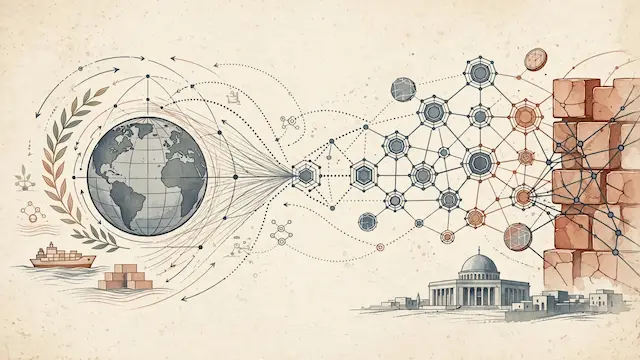
Israeli Prime Minister Benjamin Netanyahu is reportedly preparing the nation for potential economic sanctions by proposing the use of blockchain and digital currencies to circumvent restrictions, rather than focusing on preventing them. This approach, detailed by journalist Liat Ron for Walla, marks a significant shift from Netanyahu's previous emphasis on Israel's economic achievements and global standing.
In a recent interview, Netanyahu acknowledged fears of sanctions against Israel's financial system and stated the country must prepare for a "sanctions-bypassing economy." He confirmed that he has already tasked officials with developing a plan to utilize digital currencies and blockchain technology as potential alternatives. Ron notes the surprise of these statements coming from someone knowledgeable about economics and the consequences of international isolation, suggesting a focus on coping with sanctions rather than preventing them.
This is not the first time Netanyahu has discussed economic isolation. In September 2025, he spoke of Israel adapting to an economy less reliant on the outside world, using the terms "Athens and super-Sparta" and "autarky," which he dislikes as a proponent of free markets. While he later clarified this referred to defense industry self-sufficiency, the current discussion on sanctions, blockchain, and digital currencies, coupled with an open admission of concern, suggests a broader economic strategy.
Ron argues that blockchain technology, while useful for digital transactions, cannot replace the global banking system or international trade, nor can it nullify sanctions. She provides an example where a German company is prohibited from selling to an Israeli firm due to sanctions; paying in Bitcoin would not override this ban. Furthermore, the U.S. Treasury Department has clarified that sanctions apply to digital currency transactions as well, meaning a change in payment method does not legalize a prohibited deal.
The potential consequences of sanctions, including impacts on import/export, foreign investment, and market access, could significantly affect jobs, wages, and prices. Ron points out that Netanyahu understands these risks, given the high-tech sector's reliance on foreign investors and export companies' dependence on overseas buyers. She criticizes the government's focus on bypassing sanctions without a clear plan to prevent them, especially as over 60 economists have warned of the dangers of expanding sanctions.
Ron contrasts Netanyahu's current stance with his past as Finance Minister in 2003, when he pursued market liberalization. She suggests Israel, unlike resource-rich Russia or sanction-hardened Iran, cannot afford to isolate itself. The timing of these statements, ahead of elections and amidst a high cost of living, is also questioned, with the author arguing that citizens need plans for economic improvement, not just methods for financial transfers under duress. Ron concludes that Netanyahu's primary task should be to ensure Israel remains integrated globally, rather than finding ways to operate outside it.
Mentioned
The same event, reported separately by each outlet. Open a few to compare what different newsrooms emphasize — and what they leave out.
Centre 1Other 1

Not the same event — other stories that share this one’s people, places, or theme: background, reactions, and follow-ups.



