
Netanyahu Explores Blockchain to Counter Sanctions, Warns of Aid Cuts
Translated & summarized from Vesty by baba
Prime Minister Benjamin Netanyahu is exploring blockchain technology as a means to circumvent potential Western sanctions against Israel's economy, including its banking system. He also warned that U.S. defense aid to Israel is likely to cease. These statements follow a report detailing 121 restrictive measures imposed by 62 countries against Israel, primarily affecting the financial, defense, and trade sectors. Meanwhile, over 60 economists cautioned that international actions targeting Israeli settlements, linked to construction in E1 and "Jewish terrorism," could severely damage Israel's economy and cost of living.
The story in 6 lines · by baba
- Prime Minister Netanyahu is exploring blockchain technology to circumvent potential Western sanctions.
- Netanyahu warned that U.S. defense aid to Israel is likely to end.
- Sixty-two countries have imposed 121 restrictive measures against Israel, according to a JPPI database.
- Over 60 economists warned that international measures against settlements threaten Israel's economy.
- The financial sector faces the most international restrictive measures against Israel.
- Economists linked settlement expansion and "Jewish terrorism" to potential economic damage.
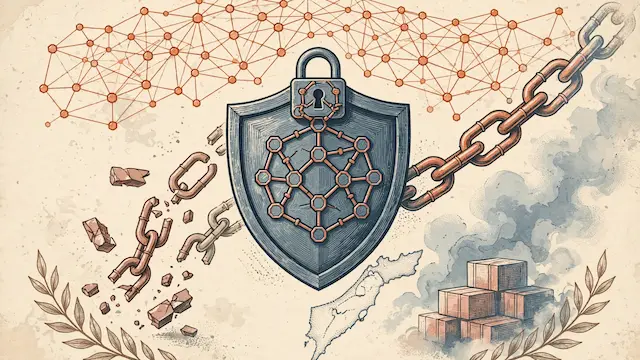
Prime Minister Benjamin Netanyahu expressed concern over potential Western sanctions, including in the banking sector, against Israel. In an October 23 interview with Roi Katz on "Arutz HaKalkala" (The Economic Channel), Netanyahu stated the need to prepare the Israeli economy to circumvent such measures, suggesting digital currencies and specifically blockchain technology as potential alternatives. He confirmed he had already tasked officials with developing a plan utilizing blockchain, describing it as a transparent and virtually immutable digital ledger.
Netanyahu also addressed the future of U.S. defense aid to Israel, warning that the substantial financial assistance, which he secured twice, is likely to end due to changes in America. He advised Israelis to prepare for this eventuality, stating, "It will end, the only question is when."
These concerns come as a new database from the Jewish People Policy Institute (JPPI) reveals that 62 countries have imposed 121 restrictive measures against Israel. Of these, 93 are currently active. The financial sector faces the most measures (40), followed by defense and trade (24 each), with diplomatic and legal restrictions also noted. Spain leads with 10 measures, followed by the U.S. (8 active, primarily academic), the UK (7), Belgium (5), and Turkey (5).
Separately, over 60 economists, academics, and former senior officials warned in a letter prepared by the Economic Forum that international measures targeting Israeli settlements pose a significant threat to Israel's economy. They cited the UK's potential import ban on settlement goods and sanctions against individuals and companies supporting their expansion, as well as actions by the Netherlands and planned measures by France and Canada. The economists attribute these initiatives to construction in the E1 area and "Jewish terrorism" in the West Bank, which they believe is perceived as government-backed, and link them to broader government policies, including actions in Gaza post-October 7.
The economists cautioned that if sanctions expand beyond settlements to encompass Israel's entire economy, the damage could be severe, potentially leading to a significant macroeconomic blow to relations with Europe. They highlighted that sanctions could exacerbate the already high cost of living in Israel, referencing a recent sharp increase in food prices. The Economic Forum urged a policy change to prevent further economic damage and international isolation, emphasizing that settlement expansion and a lack of effective measures against "Jewish terrorism" jeopardize vital economic ties and the national economy.
Mentioned
The same event, reported separately by each outlet. Open a few to compare what different newsrooms emphasize — and what they leave out.
Left 1Centre 1Other 1


Not the same event — other stories that share this one’s people, places, or theme: background, reactions, and follow-ups.




