
Israeli Supreme Court Bans Parties From Real-Time Ballot Box Data Transfer
Translated & summarized from Al-Shams by baba
The Israeli Supreme Court has banned political parties from electronically counting and instantly transmitting voter turnout data from polling stations to their headquarters. The ruling, which accepted a petition from the "Guardians of Israeli Democracy," prohibits the use of digital means for this purpose by election committee members and party observers. This decision limits parties' real-time campaign monitoring capabilities and is part of a larger debate on digital tools in elections.
The story in 6 lines · by baba
- The Israeli Supreme Court banned parties from instantly transmitting voter turnout data from polling stations.
- The ruling prohibits election committee members and party observers from using digital means to send turnout numbers.
- The "Guardians of Israeli Democracy" association petitioned against the Central Elections Committee's directives.
- Justices Khalid Kabub and Ruth Ronen formed the majority, while Justice David Mintz dissented.
- The decision limits parties' ability to receive immediate digital updates on voter turnout.
- The ruling specifically targets digital counting and real-time data transfer methods.
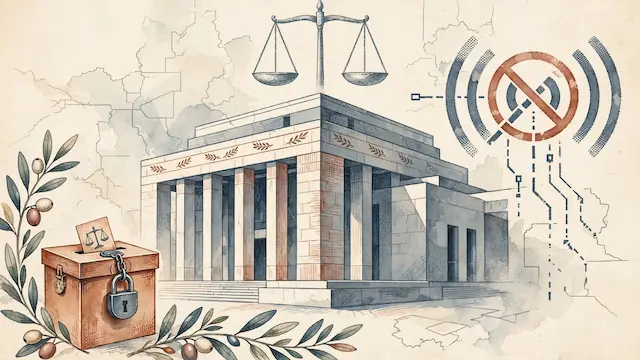
The Israeli Supreme Court ruled on Thursday to prohibit party representatives from electronically counting and instantly transmitting voter turnout data from polling stations to party headquarters. This decision came after the court accepted a petition filed by the "Guardians of Israeli Democracy" association against directives from the Central Elections Committee.
Under the ruling, election committee members and party observers will not be permitted to use digital means to record the number of voters at a specific polling station and then send this information directly to their party or list during election day. The decision was made by a majority of two justices to one, with Justices Khalid Kabub and Ruth Ronen forming the majority, while Justice David Mintz dissented.
The case centered on the scope of authority for party representatives within polling stations and whether information they gather during their official duties could be used for campaign operations. Justices Kabub and Ronen had previously raised questions about the compatibility of allowing such data transfer with prior court rulings and objected to election committee members and observers becoming conduits for information to party headquarters.
The "Guardians of Israeli Democracy" welcomed the decision, stating that election committee members and observers perform a public service and should not become operational extensions of campaign headquarters. The ruling limits parties' ability to receive immediate digital updates from their representatives at polling stations regarding voter numbers, which campaign headquarters use to monitor turnout throughout election day.
This ruling is part of a broader legal dispute over the use of digital tools in election campaigns, particularly applications that allow parties to gather field information for monitoring voting progress and mobilizing voters. The court's decision specifically targets the method of digital counting and real-time data transfer, distinguishing it from previous restrictions on transferring data that reveals voter identity.
Mentioned
The same event, reported separately by each outlet. Open a few to compare what different newsrooms emphasize — and what they leave out.
Centre 1Right 1Haredi 1Arab 1



Not the same event — other stories that share this one’s people, places, or theme: background, reactions, and follow-ups.




