
Israeli Flour Prices to Rise Up to 15%, Threatening Bread and Pastry Costs
Translated & summarized from Alarab by baba
Israeli flour mills plan to raise prices by 10% to 15% starting in November, which is expected to increase the cost of bread and pastries. This is attributed to soaring global wheat prices and supply chain issues linked to the Russia-Ukraine war. Producers warn they may pass these increased costs onto consumers.
The story in 5 lines · by baba
- Israeli flour mills will raise prices by 10%-15% starting November 1.
- The price hikes are driven by increased global wheat costs and supply chain disruptions.
- Producers warn that bread, cake, and pastry prices are likely to increase.
- Bar-Raf mill cited higher import costs from Western Europe after reducing Russian wheat purchases.
- Global wheat market pressures are linked to security, climate, and logistical challenges.
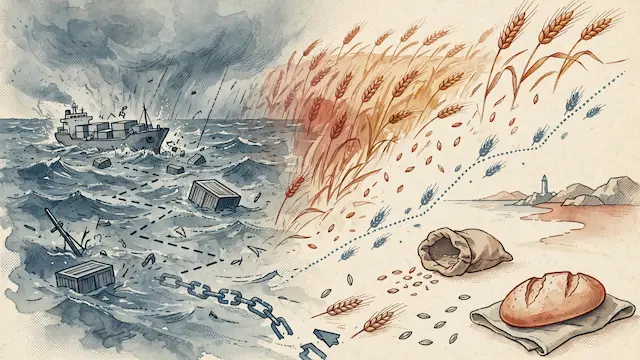
Flour mills in Israel are preparing to increase prices by 10% to 15%, a move expected to lead to higher costs for bread, cakes, and pastries. Producers have warned that they may struggle to absorb the rising production expenses.
According to a report in "Yedioth Ahronoth's" economic section, some mills will implement the price hike starting November 1, with further increases anticipated in December, depending on the type of flour and contract terms. The mill "Bar-Raf" announced an 11% price increase for its customers effective early November, citing a sharp rise in global wheat prices and supply chain disruptions exacerbated by the Russia-Ukraine war and attacks on Black Sea ports and vessels.
The company noted that switching to wheat imports from Western European countries, at prices 35% to 40% higher than a few months ago, has increased raw material, transportation, and production costs.
Hadar Golombek, General Manager of Steibel-Dagan, stated that canceling supply orders from Russia, a primary source of imported wheat for Israel over the past two years, forced the company to import wheat from Poland at higher prices amid global shortages and increased sea freight costs.
Bakers have cautioned that they may not be able to absorb the full increase, potentially leading them to raise prices for consumers on products like bread, cakes, and pastries, though no final percentage has been set.
These developments occur amidst mounting pressure on global wheat markets due to security and climate-related disruptions, as well as transportation and supply complexities, raising concerns about the impact of rising essential material costs on food prices and the cost of living.
Mentioned
The same event, reported separately by each outlet. Open a few to compare what different newsrooms emphasize — and what they leave out.
Arab 2Other 2



Not the same event — other stories that share this one’s people, places, or theme: background, reactions, and follow-ups.



