
Israel Approves First National Plan to Combat Flooding
Translated & summarized from Davar by baba
Israel has approved its first national strategic plan to manage flood risks, aiming to reduce threats to life and property. Spearheaded by the Prime Minister's Office, the plan includes appointing a central runoff regulator and updating outdated drainage laws. It also mandates local authorities to create master drainage plans and empowers the Ministry of National Security to lead emergency response efforts. Implementation of some measures may depend on future budget approvals.
The story in 6 lines · by baba
- Israel's government has approved its first national strategic plan to manage flood risks.
- The plan aims to reduce threats to human life and property from flooding.
- A central regulator for national runoff management will be appointed.
- The 1957 Drainage and Flood Prevention Law will be updated.
- Local authorities will be required to prepare master drainage plans.
- The Ministry of National Security will lead a national emergency preparedness program.
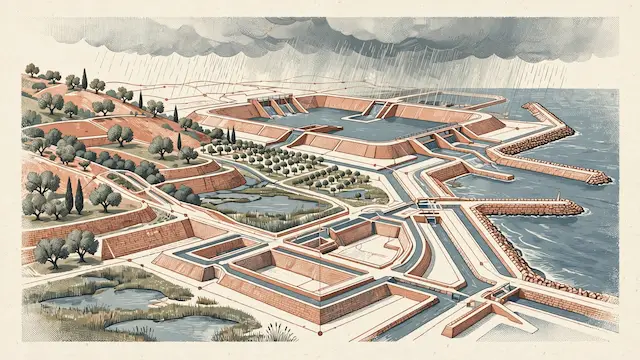
For the first time, Israel has approved a national strategic plan to manage and mitigate the risks associated with flooding. The plan, greenlit by a committee of director-generals from various government ministries, aims to reduce threats to human life and property and enhance the response capabilities of authorities during flood events. The initiative was established following a 2021 government decision and is spearheaded by the Prime Minister's Office, with participation from ministries including Agriculture and Food Security, Planning Administration, and National Security, along with local government representatives.
A central element of the plan involves a structural overhaul of how the state manages flood risks. This includes appointing a central regulator for national runoff management, potentially within the Ministry of Agriculture. This new authority will consolidate regulatory and coordination functions currently dispersed among different bodies, define responsibilities, and set regional and national policy. Additionally, the plan seeks to update the 1957 Drainage and Flood Prevention Law, with the Ministry of Agriculture leading the effort to adapt the legal framework to current conditions, streamline planning, and remove obstacles. A key provision mandates that local authorities must prepare master drainage plans.
The plan also empowers the Ministry of National Security to lead a national emergency preparedness program. This program will clarify operational procedures during floods, define lines of responsibility and command, and improve early warning systems to ensure more effective real-time response and public safety. While the plan has been approved, its implementation, particularly steps requiring special funding, may be contingent on future budget allocations.
Mentioned
The same event, reported separately by each outlet. Open a few to compare what different newsrooms emphasize — and what they leave out.
Left 1Centre 1Haredi 1



Not the same event — other stories that share this one’s people, places, or theme: background, reactions, and follow-ups.
