
Tel Hai University Launches as Israel's 11th Research Institution
Translated & summarized from Makor Rishon by baba
Tel Hai University in Kiryat Shmona officially launched as Israel's 11th research university, marking a historic moment after a 21-year government decision. The university anticipates 5,000 students this year, a 7% increase, with over 70% coming from outside the immediate region. Significant government and private investment has supported its establishment, and a key future goal is to retain at least 30% of graduates in the Galilee.
The story in 5 lines · by baba
- Tel Hai University officially opened as Israel's 11th research university in Kiryat Shmona.
- The launch follows a 21-year government decision and significant national investment.
- Enrollment has grown to 5,000 students, with over 70% from outside the Eastern Galilee.
- The university aims to retain at least 30% of its graduates in the Galilee region.
- New research areas include Engineering and Computing, alongside social sciences and life sciences.
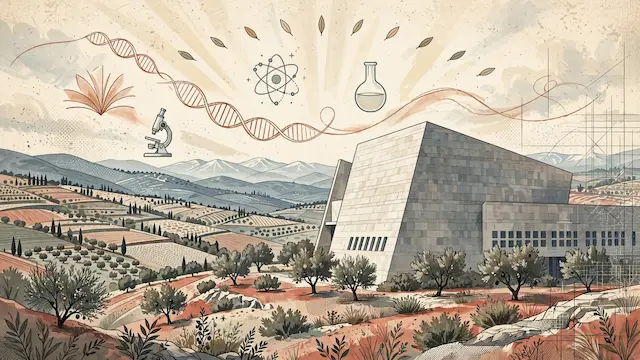
Tel Hai University in Kiryat Shmona and the Galilee officially opens its academic year on Tuesday, becoming Israel's 11th research university. This milestone follows a 21-year decision by the Israeli government to establish the institution. The university is experiencing a 7% growth in student enrollment, with 5,000 students expected this academic year, up from 4,700 last year. Over 70% of these students come from outside the Eastern Galilee region, residing in Kiryat Shmona and nearby conflict-line communities, where they serve as a vital social and economic anchor.
The new university will operate four multidisciplinary faculties: Social and Human Sciences, Life and Environmental Sciences, Education and Teaching, and a new Engineering and Computing faculty. To support its transition, Tel Hai has recruited 14 new researchers, many returning from postdoctoral studies abroad. The establishment of the university was a collaborative effort involving the "Tnuafa LaTzafon" (Momentum for the North) administration, university leadership, government ministries, the Council for Higher Education, and local authorities. The government has invested approximately 600 million shekels, supplemented by significant philanthropic and multi-sectoral funding.
University President Prof. Eliezer Shalev described the development as a modern iteration of pioneering and practical Zionism, establishing a strategic national and social anchor for the region. He emphasized that scientific endeavors, applied research, and community partnerships will drive the Galilee and Golan forward, demonstrating that northern resilience is key to Israel's future. University CEO Eli Cohen, a Kiryat Shmona native, called the opening a historic moment and a fulfillment of a long-held vision for the Galilee. He highlighted the university's next major goal: increasing the percentage of graduates who remain in the Galilee from the current 8% to at least 30% in the coming years, through investments in economic development and employment, viewing these graduates as the future leaders and developers of the region and the country.
Mentioned
The same event, reported separately by each outlet. Open a few to compare what different newsrooms emphasize — and what they leave out.
Centre 2Right 2Other 1





Not the same event — other stories that share this one’s people, places, or theme: background, reactions, and follow-ups.

