Israel Faces Electricity Shortage as Demand Soars
Translated & summarized from Mako by baba
Israel faces a potential electricity crisis by 2050 as demand is predicted to more than double, driven by data centers, electric vehicles, and climate change. A new forecast by Noga indicates that Israel will need to significantly expand its electricity infrastructure, as it cannot import power from neighboring countries. The report warns of potential electricity price hikes and increased risk of blackouts if infrastructure development lags behind the soaring demand.
The story in 6 lines · by baba
- Israel's electricity demand is projected to increase 2.7-fold by 2050, potentially leading to blackouts.
- Data centers, electric vehicles, and climate change are the primary drivers of the surge in electricity consumption.
- Israel cannot import electricity, making domestic production and infrastructure expansion critical.
- Increased demand may deplete natural gas reserves faster than expected, impacting electricity generation.
- Failure to expand infrastructure could result in higher electricity prices and rolling blackouts.
- Urgent planning and construction of new power generation and transmission facilities are required by 2030.
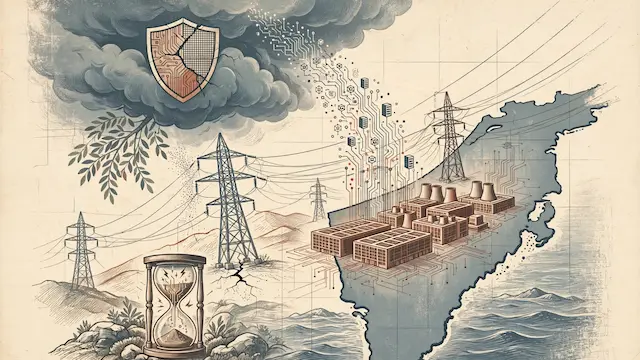
Israel is projected to face a significant electricity shortage by 2050 due to a projected 2.7-fold increase in demand, according to a new forecast by Noga, the company managing the national electricity grid. This surge in demand is driven by the rise of data centers, the increasing adoption of electric vehicles, and the impacts of climate change, including more frequent and intense heatwaves.
Noga's strategic forecast outlines four scenarios for 2050, all indicating a drastically different energy landscape. The most conservative scenario predicts a need for 161.3 billion kilowatt-hours (TWh), while an extreme scenario forecasts 214.3 TWh. Even the recommended baseline scenario suggests a need for 186.8 TWh, requiring Israel to build a new electricity system nearly 1.5 times the size of its current infrastructure since the state's founding. By 2030, demand is expected to reach between 97 and 109 TWh, necessitating immediate planning.
Key drivers of this increased demand include data centers, which could consume 37.1 TWh by 2050, equivalent to nearly half of Israel's 2024 consumption. Electric vehicles are also a major factor, with transportation expected to consume 19.3 TWh by 2050. The report highlights the challenge of managing charging times to avoid overwhelming the grid during peak hours. Additionally, climate change is exacerbating demand through more frequent heatwaves, leading to record electricity consumption peaks.
The report emphasizes that Israel, unlike its European neighbors, cannot import electricity, making domestic production crucial. The country currently generates over 70% of its electricity from natural gas, but increased consumption, particularly for data centers, could deplete reserves sooner than anticipated. The lead author, Dr. Moshe Kellner, previously warned that projected economic growth, driven by sectors like AI, significantly exceeds the assumptions used for gas export policy, potentially leading to a shortage of the fuel needed for electricity generation.
Failure to address these challenges could result in higher electricity tariffs to fund massive infrastructure projects and an increased risk of rolling blackouts during peak demand periods, especially on the hottest days of the year. The report stresses that any delay in planning and constructing new power generation and transmission infrastructure will create critical bottlenecks by 2030.
The same event, reported separately by each outlet. Open a few to compare what different newsrooms emphasize — and what they leave out.
Centre 1Right 1

Not the same event — other stories that share this one’s people, places, or theme: background, reactions, and follow-ups.