
New Report Warns of Looming Electricity Crisis in Israel Due to Soaring Demand
Translated & summarized from Kipa by baba
A new report by Noga warns Israel is heading for an electricity crisis as demand is projected to more than double by 2050, reaching up to 214.3 billion kWh. The surge is driven by expanding server farms, electric vehicles, and climate change impacts like heatwaves. Israel's reliance on domestic production means significant infrastructure expansion, including power plants and transmission lines, is urgently needed within the next decade to avoid potential blackouts and rising costs.
The story in 6 lines · by baba
- Israel's electricity demand is projected to more than double by 2050, potentially reaching 214.3 billion kWh.
- Expanding server farms for AI and cloud services are a major driver of the projected electricity demand increase.
- The transition to electric vehicles is expected to significantly contribute to higher electricity consumption.
- Climate change, leading to more frequent heatwaves, will further increase demand for electricity.
- Israel must build new power plants, storage, and transmission lines within five to ten years to meet demand.
- Delays in infrastructure development could lead to electricity shortages and intentional blackouts.
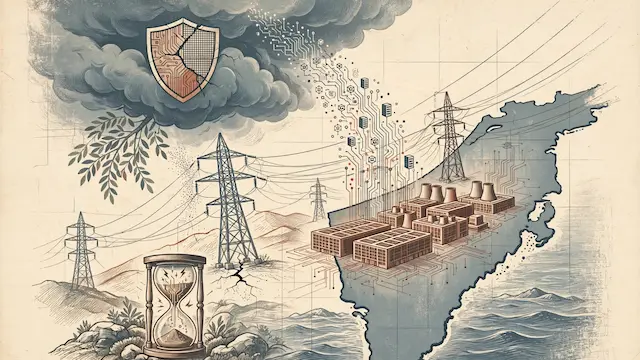
Israel faces a significant electricity infrastructure challenge in the coming decades, with demand projected to surge dramatically by 2050, according to a new strategic forecast report by Noga published by Channel 12.
Unlike countries that can import electricity during peak hours, Israel relies on domestic production. The report indicates that electricity consumption, which stood at 80.4 billion kWh in 2024, could reach between 161.3 and 214.3 billion kWh by 2050. A medium-term scenario, recommended for planning, forecasts consumption at 186.8 billion kWh, more than double the current rate. This necessitates a substantial expansion of power generation, solar farms, storage facilities, and transmission infrastructure, with construction potentially taking five to ten years.
Key drivers of this increased demand include the rapid expansion of server farms for cloud services and artificial intelligence, which could consume up to 37.1 billion kWh by 2050 in an accelerated growth scenario. The transition to electric vehicles is also a major factor, with their electricity consumption potentially reaching 19.3 billion kWh by 2050. The timing of electric vehicle charging, if concentrated during evening hours alongside household appliance use, could further strain the grid.
Climate change is another significant influence, as prolonged heatwaves increase air conditioner usage, raising demand during already high-load periods. The report projects peak summer demand to reach 35,855 megawatts by 2050, up from 19,919 megawatts in 2030. Delays in infrastructure development could lead to electricity shortages and intentional blackouts during extreme demand days, potentially impacting electricity costs for consumers.
Noga's report presents a critical challenge for policymakers, requiring the electricity system to adapt to population growth, technological advancements, and rising energy consumption while mitigating shortage risks. Given Israel's inability to rely on imported electricity, timely infrastructure development is crucial to meet future demand.
Mentioned
The same event, reported separately by each outlet. Open a few to compare what different newsrooms emphasize — and what they leave out.
Centre 1Right 1

Not the same event — other stories that share this one’s people, places, or theme: background, reactions, and follow-ups.




