
Economists Warn of Heavy Economic Price for Settlement Expansion and Jewish Terror
Translated & summarized from N12 by baba
Over 60 Israeli economists are warning that the expansion of settlements and "Jewish terror" will lead to a severe economic cost for all Israelis. They fear that international sanctions targeting settlements could expand to the entire Israeli economy, worsening the cost of living crisis. The economists pointed to potential import bans and sanctions from countries like the UK, France, and Canada, and the UN's expanded blacklist of 214 companies. The letter, signed by former senior officials, suggests that the economic damage could be severe if sanctions broaden beyond settlements to the general Israeli economy.
The story in 6 lines · by baba
- More than 60 Israeli economists warn settlement expansion and Jewish terror will cause a heavy economic price for all citizens.
- Economists fear international sanctions targeting settlements could expand to the entire Israeli economy.
- The economists stated that sanctions could worsen Israel's cost of living crisis.
- The UN's blacklist has expanded to 214 companies, including all Israeli banks and Tnuva.
- Countries like the UK, France, and Canada are considering or implementing sanctions and import bans on settlements.
- The warning follows an escalation in settler violence and attacks on diplomats.
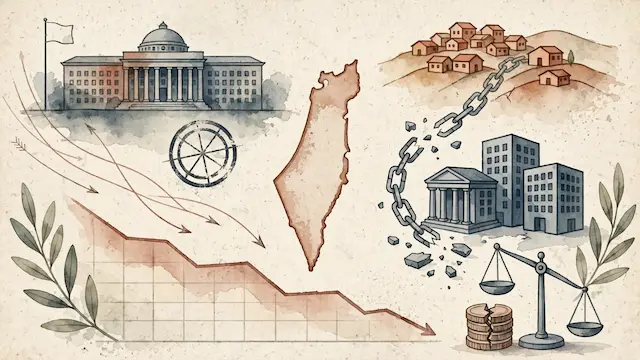
More than 60 Israeli economists have issued a stark warning that the expansion of settlements in the West Bank and the failure to prevent "Jewish terror" will impose a significant economic burden on all Israeli citizens. The warning comes amid an escalation of settler violence and international pressure, including potential sanctions.
Former senior officials from the Bank of Israel and the Treasury are among the signatories of a letter expressing concern that international sanctions, initially targeting settlements, could expand to encompass the entire Israeli economy. This, they argue, would exacerbate the existing cost of living crisis, potentially making it worse than the current problem.
The economists highlighted recent moves by countries like the UK, which intends to ban imports from settlements and consider sanctions on companies involved in their expansion. France and Canada have announced similar intentions, with other European nations contemplating comparable measures. The Netherlands has already implemented import bans and restrictions on travelers carrying products from settlements.
The letter notes that the UN's "blacklist" of entities involved with settlements has grown to include 214 companies from 11 countries, many of them Israeli, including all major Israeli banks and the food company Tnuva. The economists fear that sanctions could extend to construction and infrastructure firms, as well as financial institutions providing services to settlements.
They also caution that international banks and retailers might reduce ties with all Israeli companies to avoid legal risks, even if those companies are not directly involved with settlements. The potential economic fallout is substantial, with the 12 countries that joined the British sanctions declaration accounting for about 10% of Israel's exports in the first half of 2026. While direct exports from settlements are relatively small, the broader risk is considered much larger, especially if sanctions spread across Europe and affect the wider Israeli economy.
Mentioned
The same event, reported separately by each outlet. Open a few to compare what different newsrooms emphasize — and what they leave out.
Centre 3


Not the same event — other stories that share this one’s people, places, or theme: background, reactions, and follow-ups.




