
Economists Warn of Severe Damage to Israel from Sanctions
Translated & summarized from Channel 13 by baba
Sixty-one senior Israeli economists, including former Treasury and Bank of Israel officials, are warning of severe economic damage to Israel from potential international sanctions. The sanctions, reportedly planned by countries like the UK, are a response to settlement expansion and Israeli policies in Gaza. The economists fear irreparable harm to economic ties and a rise in the cost of living, urging preventative action.
The story in 7 lines · by baba
- 61 senior economists warn of severe economic damage to Israel from potential international sanctions.
- Sanctions are reportedly being planned by European countries, including the UK, in response to settlement expansion.
- The economists fear irreparable harm to Israel's economic relations with key Western trading partners.
- Potential sanctions could lead to expanded measures against companies operating in settlements.
- The economists noted the UN's expanded blacklist of companies linked to settlements.
- They warned of a rising cost of living and isolation for Israel.
- The economists urged that preventative action be taken immediately.
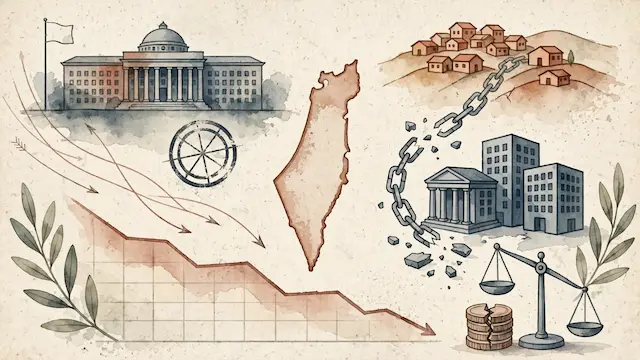
Sixty-one senior economists, including former officials from the Treasury and the Bank of Israel, have issued a warning about severe damage to Israel's economy due to potential political and economic sanctions. In a statement released Sunday, they expressed concern over a "darkening cloud hanging over Israel's economic future." These measures, reportedly being planned by European countries, particularly the UK, are seen as a response to actions such as the advancement of construction in the E1 area. The economists fear these sanctions could cause irreparable harm to Israel's economic relations with key trading partners in Europe and the Western world.
The signatories, comprising academics, high-tech professionals, economists, and former senior Bank of Israel officials, are alerting the public to "significant economic damage" and a "growing concern of a substantial deterioration in economic relations between Israel and Europe." The statement attributes these potential moves to the expansion of construction in E1, "Jewish settler terror in the West Bank perceived as government-backed," and the Israeli government's "aggressive policy, particularly in Gaza, following the events of October 7th."
The economists cited the UN's expansion of a blacklist identifying companies linked to settlements as a basis for their assessments. This list includes 214 companies, predominantly Israeli, from 11 countries, notably encompassing all Israeli banks and Tnuva, a food company controlled by a Chinese state-owned entity. Prominent signatories include former National Economic Council head Prof. Manuel Trajtenberg, former Bank of Israel Governor Prof. Yakov Frenkel, and former Directors General of the Ministry of Finance Avraham Ben-Bassat, Yarom Ariav, and David Brodet, alongside former Supervisor of Banks Yair Avidan.
They warn that the anticipated deterioration in relations could lead to expanded economic sanctions targeting construction, banking, and insurance companies operating in settlements. International banks and corporations might reduce ties with Israeli firms. Consequently, these sanctions could exacerbate the rising cost of living, particularly as food prices have already surged significantly in recent years. The statement notes that over 50 countries have already imposed 100 sanctions, primarily related to arms trade and financial matters. The boycott is already impacting Israel's high-tech, sports, and defense sectors.
The economists predict that "the expansion of settlements in the West Bank and the failure to prevent Jewish violence and terror against Palestinians are causing diplomatic damage to Israel, leading to its isolation in the world, and also involve a heavy economic price that all residents of the country will pay." They concluded by stating, "This damage must be prevented now, while it is still possible."
Mentioned
The same event, reported separately by each outlet. Open a few to compare what different newsrooms emphasize — and what they leave out.
Centre 3


Not the same event — other stories that share this one’s people, places, or theme: background, reactions, and follow-ups.




