
Rabbi Lior Rules on Harvesting Palestinian Olive Groves, Sparking Controversy
Translated & summarized from Srugim by baba
Rabbi Dov Lior issued a religious ruling permitting Jews to harvest olives from Palestinian groves in the West Bank, even if owners are barred due to security concerns. He argued the land is rightfully Jewish and owners may be considered to have given up on the fruit. The Rabbis of Tzohar organization strongly opposed the ruling, calling it theft and asserting that only the state can confiscate property. Rabbis from Gush Etzion also issued a similar ruling against the practice, warning of theft and desecration.
The story in 6 lines · by baba
- Rabbi Dov Lior ruled that Jews may harvest olives from Palestinian groves in the West Bank.
- He cited Jewish ownership of the land and potential owner despair due to security restrictions.
- The Rabbis of Tzohar organization condemned the ruling as forbidden theft.
- Tzohar stated only the state has authority to confiscate property for security.
- Rabbis from Gush Etzion issued a similar ruling against harvesting Palestinian olives.
- The controversy involves halachic interpretations of property rights and security measures.
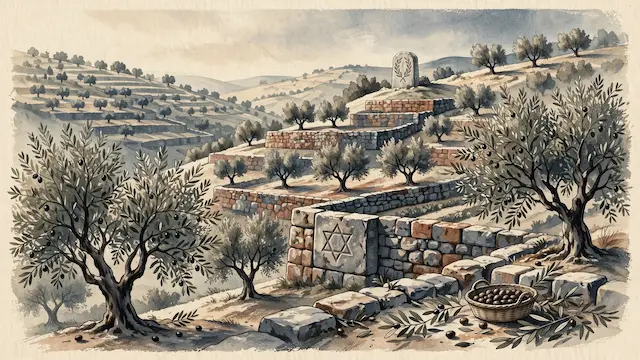
A religious ruling by Rabbi Dov Lior, a prominent figure in Religious Zionism, has ignited a dispute over olive harvesting in the West Bank. He argued that the land was not purchased from the Israeli people or private Jews, and therefore, in his view, it remains the property of the Israeli people, citing the halachic principle that land cannot be stolen.
Rabbi Lior also addressed situations where grove owners cannot reach their orchards due to security restrictions. He suggested that in such cases, it can be assumed they have given up on the fruit. He added that even if the owners receive compensation for their labor, they have already been compensated over the years through the fruit they consumed. "Therefore, harvesting olives in the Land of Israel is completely permissible," Rabbi Lior wrote, noting that it is even meritorious given the security dangers associated with Palestinians approaching Jewish communities and settlements.
He concluded that harvesting from distant groves is also allowed to assert Jewish ownership of the land, viewing it as fulfilling the commandment to conquer the land. However, the organization Rabbis of Tzohar strongly rejected this permission, stating that "theft is forbidden from everyone, Jew and gentile alike." They emphasized that as long as the state recognizes an individual's ownership of the olives, others have no permission to take them. Tzohar stressed that property confiscation for security reasons is solely within the authority of the government, not an independent decision by citizens.
Tzohar pointed to a previous ruling by Rabbi Lior himself in his book "Davar Hevron," where he reportedly stated that the authority to confiscate property for security reasons rests with the state and that no individual has permission to act on their own. "The idea of permitting the taking of olives due to the owners' 'despair,' because the army prohibits them from accessing the grove, does not begin when the owners announce they are not despairing but intend to harvest the olives in the manner the army allows them," the response stated.
Additionally, Tzohar noted that beyond the prohibition of theft, taking the olives could lead to desecration of God's name, moral damage, political risk, and educational harm. "Therefore, we commend the Rabbis of Gush Etzion who published a firm halachic ruling against the phenomenon," they stated. The Rabbis of Gush Etzion had previously issued a halachic opinion stating that Jews are not permitted to pick olives from Palestinian-owned groves near settlements, even when owners are prevented from accessing them for security reasons, rejecting the claim of despair and warning against theft and desecration of God's name.
Mentioned
The same event, reported separately by each outlet. Open a few to compare what different newsrooms emphasize — and what they leave out.
Left 1Centre 1Right 3Arab 2Other 1







Not the same event — other stories that share this one’s people, places, or theme: background, reactions, and follow-ups.

