
Rabbinical Organization Tzohar Condemns Olive Harvesting Without Permission
Translated & summarized from Arutz Sheva by baba
The Rabbinical Organization Tzohar has publicly opposed a ruling by Rabbi Dov Lior that allowed Jews to harvest olives from Arab-owned orchards in Judea and Samaria. Tzohar declared that only the state can expropriate property and that taking the olives without permission is forbidden theft and a moral offense. They argued that security restrictions do not justify private seizure of crops and that the concept of owner despair is invalid if owners intend to harvest when possible. The organization also cited Rabbi Lior's own previous rulings in their opposition.
The story in 6 lines · by baba
- Rabbinical Organization Tzohar opposes Rabbi Dov Lior's ruling permitting olive harvesting from Arab groves in Judea and Samaria.
- Tzohar states only the state can expropriate property and taking olives without permission is forbidden theft.
- The organization argues security restrictions do not justify private seizure of crops.
- Tzohar rejects the concept of owner despair if landowners intend to harvest when possible.
- Tzohar cited Rabbi Dov Lior's own prior rulings to support their position.
- The organization stated the act constitutes theft, desecration of God's name, and a moral failing.
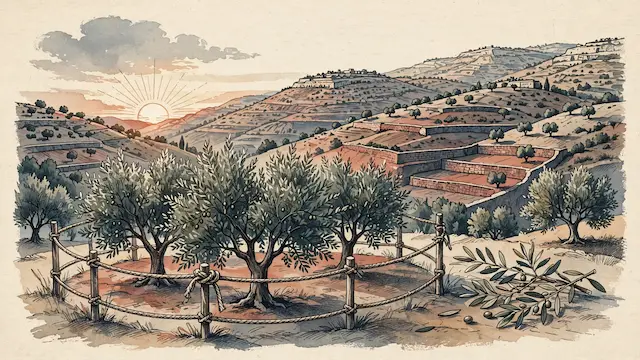
The Rabbinical Organization Tzohar has strongly criticized a ruling by Rabbi Dov Lior that permitted Jews to harvest olives from Arab-owned orchards in Judea and Samaria. Tzohar stated that only the state has the authority to expropriate property and that taking olives without the owners' consent is forbidden by Jewish law.
The organization emphasized that this act constitutes theft, a desecration of God's name, a moral failing, and carries political and educational repercussions. Tzohar's position centers on land and crop ownership, the state's power of expropriation, and the concept of owner despair.
They clarified that even when security restrictions prevent landowners from accessing their groves, this does not grant others the right to take the harvest. "Theft is forbidden from any person, Jew or gentile alike," Tzohar stated, asserting that the prohibition is independent of the property owner's identity.
Tzohar further referenced a previous ruling by Rabbi Dov Lior himself, in "Divrei Hebron," part 3, section 57, which they claim supports this principle. They also noted that Rabbi Yaakov Ariel and other prominent rabbis have ruled similarly.
The organization rejected the argument that owners should be considered despairing of their harvest if prevented by the military from accessing their groves. Tzohar argued that as long as owners declare they have not despaired and intend to harvest when possible, the claim of despair is invalid. They cited the possibility of Israeli civilians assisting landowners with harvesting under military-imposed limitations as an example.
Regarding security justifications, Tzohar maintained that any decision concerning property due to security needs rests solely with authorized authorities, not private individuals. They again cited Rabbi Lior's ruling in "Divrei Hebron," section 56, stating that "not everyone can decide to take action at their discretion." This distinction, they explained, separates state-sanctioned actions from private property seizure, even for security reasons.
Finally, Tzohar broadened their criticism, stating that taking the olives harms moral and educational values and poses a political risk. The organization concluded by expressing support for the rabbis of Gush Etzion, who also issued a ruling against taking the olives.
Mentioned


