IDF Prepares Voting Procedures for Soldiers in 2026 General Election
Translated & summarized from Kipa by baba
The IDF is preparing for the 26th Knesset elections on October 27 by setting up military polling stations nationwide and deploying mobile units for combat troops. Soldiers in active operational zones, including Gaza, Syria, and Lebanon, can vote early starting October 20. Identification procedures include military IDs, national IDs, or alternative methods for those in hostile areas. Soldiers are permitted to join parties but must remain politically neutral within the military and adhere to social media restrictions. Election day is a regular workday for soldiers, with operational continuity prioritized.
The story in 5 lines · by baba
- IDF soldiers will vote in the 26th Knesset elections on October 27 at military polling stations nationwide.
- Early voting begins October 20 for soldiers in active operational zones like Gaza, Syria, and Lebanon.
- Identification at military polling stations can be done via military ID, national ID, or dog tags in some cases.
- Soldiers must remain politically neutral within the military and face social media restrictions.
- Election day is not a holiday for IDF soldiers, with operational continuity maintained.
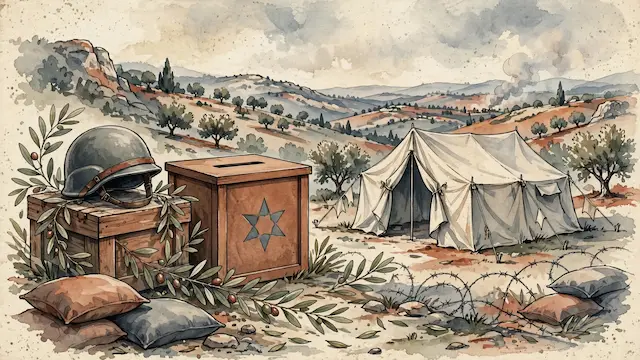
The Israel Defense Forces (IDF) is finalizing preparations for soldiers to cast their votes in the upcoming 26th Knesset elections, scheduled for Tuesday, October 27. Military polling stations will be established across bases and units nationwide, with mobile polling stations available for combat troops in operational zones. Voting hours for military polling stations will be from 8:00 AM to 10:00 PM on election day. Each unit will designate an elections officer to announce polling station locations and operating hours. Soldiers hospitalized in facilities affiliated with Ram 2 will also have dedicated polling stations. Troops serving in active operational areas beyond enemy lines, including Gaza, Syria, and Lebanon, will be able to vote early starting October 20 at 10:00 PM. Early voting is also permitted for those scheduled for operational activity on election day. Soldiers can vote at any base where they are present on election day, even if it's not their permanent base, or at a civilian polling station, but only once. Identification at military polling stations will be verified by a committee of two trained soldiers. Regular service soldiers can identify themselves with a military ID, national ID card, valid driver's license with a photo, or a valid Israeli passport accompanied by proof of military service. For soldiers in hostile territories without identification, identification can be made via their dog tag, another soldier's vouching, or a photo of an identification document. Voting secrecy is maintained through a two-envelope system: a blue envelope for the ballot behind a curtain, and a white envelope with personal details. After voting, locked ballot boxes will be transferred to the Knesset's Central Elections Committee for counting, where the white envelope will be destroyed before the blue one is opened and counted, ensuring anonymity. Photography is prohibited within polling station premises. Soldiers are permitted to join political parties but cannot identify themselves as soldiers in that capacity. Active duty soldiers must refrain from expressing political opinions within the military, engaging in political debates, or influencing other soldiers' views. Social media restrictions include no liking, commenting, sharing, or distributing posts from parties or politicians, though public following for informational purposes is allowed. Attending political events as a civilian observer is permitted. Reserve soldiers not on active duty can express political views online as long as they do not use uniforms or IDF insignia. Soldiers may work at civilian polling stations in neutral roles with commander approval, but cannot serve on a polling committee, as an observer, or for a party. Senior IDF personnel and career soldiers wishing to run for office must resign up to 100 days before the election, while conscripts must defer service and active reservists must cease service 30 days prior. Election day is not a holiday for IDF soldiers, and military activity will continue as usual, with arrangements made to allow voting while maintaining operational continuity.
The same event, reported separately by each outlet. Open a few to compare what different newsrooms emphasize — and what they leave out.
Centre 1Right 1Other 1



Not the same event — other stories that share this one’s people, places, or theme: background, reactions, and follow-ups.