IDF Prepares for October 27 Elections Amidst Ongoing Hostilities
Translated & summarized from Cursorinfo by baba
The IDF is organizing voting for all eligible soldiers on October 27, including mobile polling stations and early voting for those in combat zones. Strict political restrictions are in place for active-duty personnel, while reservists have fewer limitations. Soldiers will verify identity with military or civilian documents, and ballot secrecy will be maintained through a two-envelope system. Military operations will continue normally on election day, with no day off granted to soldiers.
The story in 6 lines · by baba
- IDF will ensure all soldiers can vote in the October 27 elections, including those in combat zones.
- Mobile polling stations and early voting will be available for soldiers starting October 20.
- Active-duty soldiers face strict restrictions on expressing political views and social media activity.
- Identity will be verified with military or civilian documents, with special provisions for front-line troops.
- Ballot secrecy will be maintained using a two-envelope system, with counting handled by the Central Elections Committee.
- Soldiers will not receive a day off for the elections, and military operations will continue.
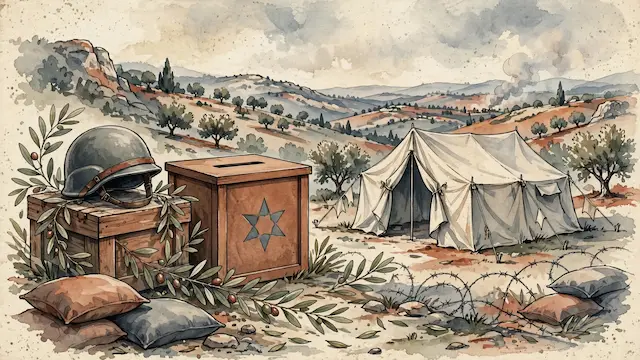
The Israel Defense Forces (IDF) is finalizing preparations for the upcoming October 27 elections to the 26th Knesset, ensuring all eligible soldiers, including conscripts and reservists, can cast their ballots even while engaged in combat operations. To facilitate this, the military will establish mobile polling stations and allow early voting starting October 20 for soldiers in active combat zones like Gaza, Syria, and Lebanon, as well as those deployed on missions on election day. Soldiers hospitalized will also have dedicated polling stations set up in medical facilities.
The IDF is also reminding active-duty personnel of strict political restrictions, prohibiting them from expressing political views, debating politics, or influencing colleagues, including on social media. While soldiers can follow political pages for information, they are barred from publicly endorsing parties or candidates. They may attend political events as civilians but cannot identify themselves as soldiers. Reservists not on active duty are not subject to these restrictions but must not use military attire or insignia.
Polling stations will operate on election day from 8:00 AM to 10:00 PM, with designated election officers in each unit providing location and time details. Soldiers can vote at any military base or a regular civilian polling station, but repeat voting is a criminal offense. Identity verification will be conducted by trained military personnel using military IDs, civilian IDs, or driver's licenses. Special provisions, including military dog tags or photographic proof of identity, are available for soldiers without documents on the front lines.
Voting will follow a two-envelope system to maintain ballot secrecy. Ballots will be placed in blue envelopes, then into white envelopes containing voter information. The white envelopes will be destroyed before the blue envelopes are counted by the Central Elections Committee in Jerusalem, with the IDF having no role in the counting process. Soldiers are not granted a day off for the elections, and military operations will continue as usual.
Mentioned
The same event, reported separately by each outlet. Open a few to compare what different newsrooms emphasize — and what they leave out.
Centre 1Right 1Other 1



Not the same event — other stories that share this one’s people, places, or theme: background, reactions, and follow-ups.