Israel Begins Printing 450 Million Ballots for 26th Knesset Elections
Translated & summarized from JDN by baba
The story in 6 lines · by baba
- 450 million ballots are being printed for Israel's 26th Knesset elections.
- Printing is underway at the Ordah factory in Kiryat Gat.
- Over 7.3 million Israelis are eligible to vote.
- Ballots will be distributed to 12,018 polling stations.
- The factory is operating 24/7 to meet the deadline.
- More than 400 tons of paper will be recycled.
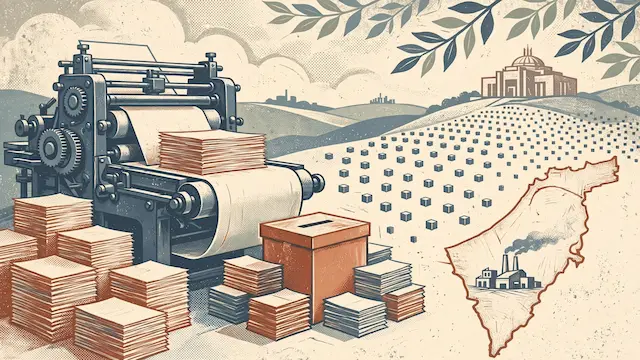
The Central Elections Committee commenced the printing of ballots for the upcoming 26th Knesset elections on Monday. Approximately 450 million ballots will be printed at the Ordah factory in Kiryat Gat, intended for 12,018 polling stations across Israel. A total of 7,336,553 eligible voters are expected to cast their ballots. The Chairman of the Central Elections Committee, Judge Noam Sohlberg, and the Acting Director-General, Adv. Dean Livneh, visited the production lines to observe the start of the printing process. Each of the competing parties will receive around 11.5 million ballots. To ensure readiness by election day, the factory is operating 24 hours a day, six days a week. The committee explained that the large volume of printing is to guarantee full and equitable availability of ballots at all polling stations. Sohlberg stated during the tour that the committee ordered ballots for each list based on the number of eligible voters, plus an additional 30% as required by law, and even more to ensure complete preparedness. "The Elections Committee and all its departments are deeply immersed in this task, and we hope this day will indeed be a successful election festival," he said. In addition to logistical preparations, the committee noted that over 400 tons of paper and cardboard will be recycled after the elections, in line with the committee's existing environmental policy.
The same event, reported separately by each outlet. Open a few to compare what different newsrooms emphasize — and what they leave out.
Centre 2Haredi 2



Not the same event — other stories that share this one’s people, places, or theme: background, reactions, and follow-ups.