Spanish Prime Minister Calls Early Elections Amid Political Crisis and Anti-Israel Stance
Translated & summarized from Channel 9 by baba
The story in 5 lines · by baba
- Spain's Prime Minister Pedro Sánchez called early elections for November 29.
- The elections follow a political crisis and legislative failures.
- Spain has become a strong critic of Israel under Sánchez.
- Measures against Israel include an arms embargo and port bans.
- The election outcome may impact Spain's foreign policy towards Israel.
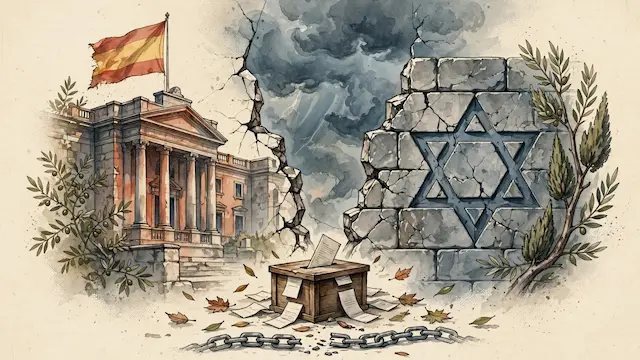
Spanish Prime Minister Pedro Sánchez announced on October 5 that he is calling for early parliamentary elections, to be held on November 29, nearly two years ahead of schedule. This decision follows a significant political crisis, the loss of a stable parliamentary majority for his government, and the failure of key legislative initiatives. Sánchez informed King Felipe VI of his decision before announcing that the Spanish people must now determine the country's future direction. He stated, "To do more, we need to renew and broaden support from citizens."
The immediate trigger for the crisis was the parliament's rejection of two government decrees aimed at combating the housing crisis. Opposition from the Catalan party Junts, whose support was crucial for Sánchez's minority government, contributed to the failure. Beyond domestic issues, Sánchez's tenure has seen Spain become one of Europe's most vocal critics of Israel. Spain recognized a Palestinian state, imposed an arms embargo on Israel, and announced further measures for September 2025, including barring ships carrying fuel for the Israeli military from Spanish ports, restricting overflights for Israeli military cargo planes, and limiting entry for individuals accused by the Spanish government of involvement in actions in Gaza. Spain has also banned imports from Israeli settlements, restricted consular services for Spanish citizens residing in them, and prohibited entry for individuals linked to what Spain terms human rights violations and war crimes in Gaza. Additionally, Spain has increased aid to the Palestinian Authority and UNRWA.
Sánchez himself has continued to publicly condemn Israel. In May, he called Israeli Minister of National Security Itamar Ben-Gvir's actions towards a Gaza-bound flotilla "unacceptable" and stated his government would seek an EU-wide entry ban for Ben-Gvir. At the UN General Assembly in September, Sánchez spoke against "aggression" and announced an embargo against the Netanyahu government, accusing Israel of "genocide" in Gaza. Following a statement by Spain's Minister of Youth and Children supporting a "free Palestine from the river to the sea," Israel's Foreign Ministry summoned Spain's acting chargé d'affaires, calling it part of a "systematic anti-Israeli policy."
The upcoming elections could significantly impact Spain's relations with Israel. Current polls indicate the center-right People's Party is leading, with potential support from the far-right Vox party, which could form a government if current trends hold. Sánchez faces domestic challenges including the housing crisis, corruption scandals, migration issues, and his government's lack of a stable parliamentary majority. Reuters notes that Sánchez's Socialists are trailing the right-wing parties in polls, and the election may determine the fate of one of Europe's last left-wing governments. Sánchez must now persuade voters to support his domestic agenda and his foreign policy, which has positioned Madrid as a staunch critic of Israel.
Mentioned
The same event, reported separately by each outlet. Open a few to compare what different newsrooms emphasize — and what they leave out.
Centre 4Right 4Haredi 1Other 4












Not the same event — other stories that share this one’s people, places, or theme: background, reactions, and follow-ups.