
Israel Discards Hundreds of Millions of Shekels in Unused Medications Annually
Translated & summarized from Cursorinfo by baba
Israel annually destroys medications valued at over 700 million shekels, including many still within their expiration dates. While the non-profit "Chaverim LeRefuah" redistributes inspected drugs to those in need, health fund containers send all returned medications directly for destruction. The Ministry of Health cites quality control concerns for the strict regulations.
The story in 5 lines · by baba
- Israel discards over 700 million shekels in unused medications annually.
- Health fund containers automatically destroy returned medications.
- "Chaverim LeRefuah" inspects and redistributes usable drugs to needy families.
- The Ministry of Health cites quality control as a reason for strict disposal rules.
- The organization "Chaverim LeRefuah" also sources rare and expensive medications.
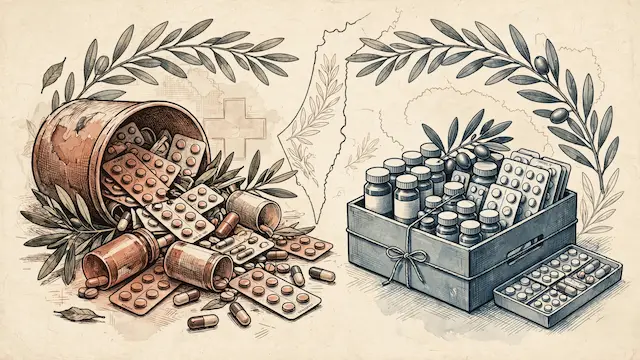
Israel discards hundreds of millions of shekels worth of medications each year, with over 700 million shekels in drugs being destroyed, according to a report by Calcalist. Many of these medications are still valid and within their expiration dates but are disposed of when returned through official channels. There are two primary methods for collecting unused medications in Israel: designated containers managed by health funds and collection points operated by the non-profit "Chaverim LeRefuah" (Friends for Medicine), located in large institutions and Super-Pharm branches. Medications deposited in health fund containers are automatically sent for destruction without further inspection. In contrast, "Chaverim LeRefuah" inspects returned medications, and suitable drugs are then provided to families unable to afford them. The organization's activities have been regulated by law since 2016, allowing it to accept medications from individuals, institutions, and pharmaceutical companies, inspect them, and distribute them to those in need, though it is prohibited from receiving drugs from health fund containers. This system results in the destruction of usable medicines, increasing costs and environmental impact. "Chaverim LeRefuah" also focuses on sourcing expensive medications for patients with rare and severe diseases, including those not covered by the national health basket. The organization's Director General, Baruch Lieberman, stated that its goal is to ensure individuals receive necessary treatments regardless of cost, noting that the value of destroyed medications exceeds the budget increase for the national drug basket. The Ministry of Health cites the need to control medication quality as the reason for these restrictions, as the official supply chain tracks drugs from manufacturer to pharmacy, while storage conditions for returned home-use medications are harder to verify. The ministry believes that the existing donation mechanism should remain supplementary and not replace the standard drug provision system. However, the ministry acknowledges the scale of the problem and is working on reducing surplus through more precise prescriptions, smaller dispensing quantities, and pharmacist consultations. Previously, changes were made to the Pharmacists Law, expanding the range of medications available without a prescription and outside of pharmacies.



