
Finance Minister Accused of Election Tactic with Fuel Tax Cut
Translated & summarized from Ynet by baba
Israeli Finance Minister Bezalel Smotrich is accused of using a temporary excise tax cut on gasoline as an electoral tactic to lower prices before elections, while a subsequent price increase will be felt by consumers afterward. The article criticizes this move as economically unsound and damaging to public trust in the tax system.
The story in 4 lines · by baba
- Finance Minister Smotrich cut gasoline excise tax by 50 agorot.
- The cut is called an electoral maneuver before elections.
- Gasoline prices will rise after the tax cut expires.
- The move erodes public trust in the tax system.
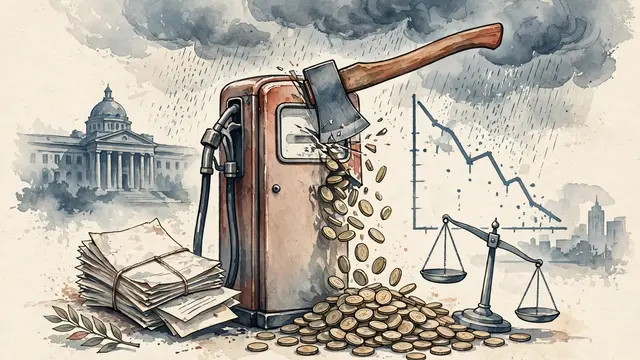
Israeli Finance Minister Bezalel Smotrich implemented a 50 agorot per liter reduction in the excise tax on gasoline in early September, temporarily masking global oil price increases for consumers. This move, however, is described as an "electoral maneuver" because the tax cut's impact on the consumer price index will be reported after the upcoming elections, while a subsequent price hike will be reflected in the index before the vote.
Smotrich can claim credit for preventing a higher price at the pump before the elections, but the article argues this is economically unsound. The tax reduction was an administrative order, not legislation, and its automatic expiration at the end of October means gasoline prices will rise to approximately 8.77 shekels per liter within weeks, regardless of further currency devaluations or geopolitical events. The author criticizes this approach as prioritizing short-term political gain over long-term economic stability, citing the common political sentiment of "after us, the flood."
While gasoline prices in Israel are not exceptionally high compared to Europe, the annual rate of increase has been significantly lower. However, with the expiration of the tax cut, the annual price increase will exceed 21% by the end of October. The article notes that the surge in diesel prices, a major concern in Europe and the US, is less impactful in Israel due to different vehicle fuel preferences and energy policies.
The author concludes that while such electoral tax manipulations may not cause significant economic damage, they erode public trust in the tax system, leading to increased tax evasion. The article suggests that frequent and politically motivated tax changes encourage citizens to question whether tax rates serve the public good or the ruling coalition's interests.









