
Finance Minister Smotrich Considers Fuel Tax Cut Amid Price Surge
Translated & summarized from Kan News by baba
Israeli Finance Minister Bezalel Smotrich is considering further fuel tax cuts to counter rising prices, a move that has previously faced opposition from ministry professionals. Gasoline prices are set to increase due to global market factors and the reinstatement of a previously reduced excise tax.
The story in 4 lines · by baba
- Finance Minister Smotrich seeks to lower fuel taxes to prevent record-high prices.
- Gasoline prices are set to rise by 52 agorot per liter.
- Global oil prices and dollar strength are driving the increase.
- Smotrich previously cut taxes despite professional and legal objections.
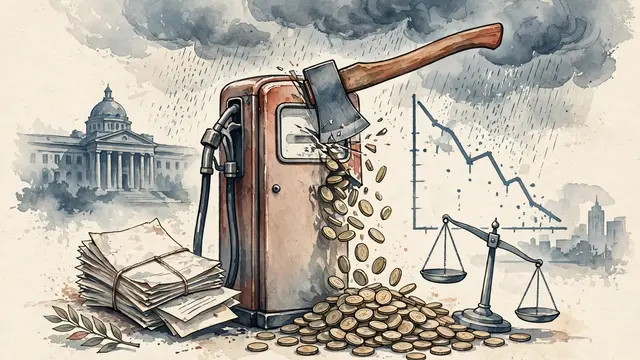
Finance Minister Bezalel Smotrich convened a meeting with senior ministry officials on Tuesday to explore further reductions in fuel taxes, aiming to prevent gasoline prices from reaching an all-time high. This follows a decision last month where Smotrich signed an order reducing the tax by half a shekel per liter for two months, extending past the upcoming elections, despite opposition from professional staff within his ministry. He is now considering an additional reduction.
The Ministry of Energy and Infrastructure announced that fuel prices would be updated at midnight between Wednesday and Thursday. The maximum price for a liter of 95-octane unleaded gasoline at self-service stations will not exceed 8.27 shekels, a rise of 52 agorot from the previous update. An additional charge of 26 agorot per liter will apply for full service. This price increase is attributed to global energy market developments, including a roughly 13% rise in international gasoline prices due to increasing global oil prices and concerns over supply stability. A nearly 3% strengthening of the dollar also contributed to the higher fuel cost in Israel.
The price update includes the reinstatement of a 50 agorot per liter excise tax that was temporarily reduced in early September by Smotrich. This earlier reduction, effective from September 7th until the end of October, was approved by the Attorney General despite professional objections within the Finance Ministry, who feared it was a pre-election maneuver. The opinion of the Finance Ministry's legal advisor regarding this move was first reported by Kan News.









