
Finance Minister Slashed Fuel Tax Amid Economic Concerns
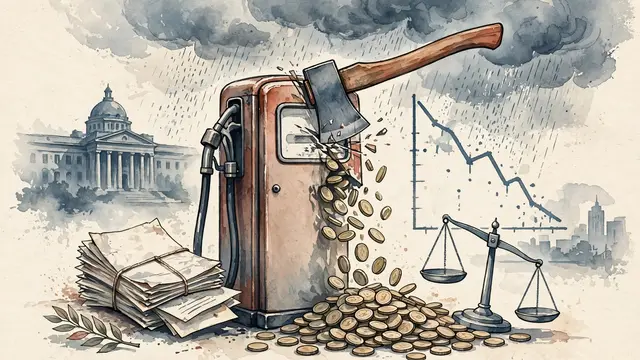
Israeli Finance Minister Bezalel Smotrich has ordered a reduction in the excise tax on fuel, a move expected to cost the state approximately 150 million shekels. This decision comes shortly after the Ministry of Energy announced that fuel prices were set to rise by 52 agorot. Smotrich's directive overrides the professional recommendation from his ministry's officials against lowering the tax, particularly given the current election period.
This latest tax cut adds to a previous 350 million shekel reduction Smotrich implemented in September. While a senior official in the Finance Ministry acknowledged the political temptation to lower fuel prices before an election, especially when it can influence public perception of the economy, the article argues that this move is fiscally irresponsible. Israel's budget deficit is already high at 4.9% of GDP, and the country is on a path of increasing debt-to-GDP ratio, making it unable to afford such revenue losses.
The article contrasts this action with the previous Bennett-Lapid government, which reduced fuel excise tax during a budget surplus and when inflation was a major concern, providing a rationale for energy price moderation. Currently, however, the article contends that Israel is past the peak of inflation, and such a measure is unnecessary. The rise in fuel prices is attributed to global factors, including tensions between the US and Iran, and the strengthening dollar against the shekel, rather than domestic tax increases.
The author criticizes Smotrich's tenure as one characterized by applying "band-aids" to economic problems instead of addressing underlying issues. The decision to subsidize fuel prices is seen as a short-term political maneuver that creates an illusion of state omnipotence, ignoring the long-term economic consequences and the need for fiscal responsibility. The piece suggests that Smotrich consistently downplays economic challenges, such as the impact of the ongoing war and the need to integrate Haredi and Arab populations into the workforce, preferring to focus on positive, albeit superficial, economic indicators.
The same event, reported separately by each outlet. Open a few to compare what different newsrooms emphasize — and what they leave out.








Not the same event — other stories that share this one’s people, places, or theme: background, reactions, and follow-ups.




Ask About This Article
Duki reads it, and every newsroom on the same story, then answers with sources.