
Scammers Impersonate Municipalities in Phishing Scheme
Translated & summarized from Ynet by baba
A phishing scam is circulating in Israel, with fraudulent SMS messages impersonating local municipalities and demanding payment for alleged debts via malicious links. The Local Government Association warns residents to verify any payment requests directly with their municipality and avoid clicking on suspicious links.
The story in 5 lines · by baba
- Scammers are impersonating Israeli municipalities in a phishing scheme.
- Fraudulent SMS messages claim residents owe money for taxes or bills.
- Messages contain malicious links to steal personal and financial data.
- Residents are urged to contact municipalities directly to verify debts.
- The Local Government Association issued a warning against the scam.
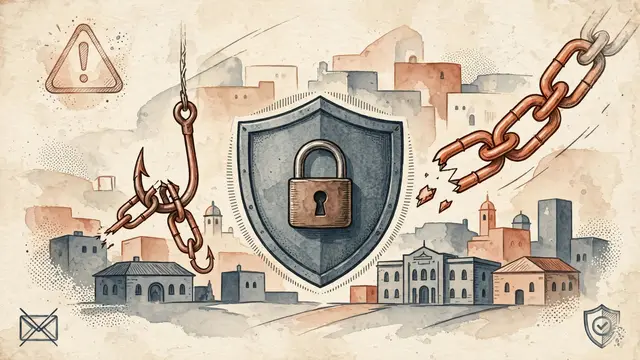
Israeli residents are being warned about a widespread phishing scam that impersonates local authorities. The fraudulent messages, often sent via SMS, claim recipients have outstanding debts for municipal taxes, waste disposal fees, parking tickets, or water bills. These messages include a link for "quick online payment," but clicking it can lead to personal information theft and unauthorized charges.
The scam messages often include dire warnings about late payment penalties, daily interest, indexation, bank account freezes, wage garnishments, and legal action, all signed by a fictitious "Head of the Collection Department."
The Local Government Association has issued an alert, urging citizens not to click on links in such messages. Instead, residents are advised to contact their local municipality directly through official channels or visit the municipality's website to verify any outstanding payments. They should never provide credit card or personal details through unsolicited links.
For users of the MuniBox digital wallet, open payments and past transactions can be viewed and paid directly through the PayBox app, bypassing the need for suspicious links. This scam is part of a larger trend of phishing attempts in Israel, which have previously targeted major retailers, utility companies, and banks.
Keep up with
Mentioned








