
Israel Warns of Sophisticated SMS Scams Targeting Municipal Payments
Translated & summarized from Cursorinfo by baba
Israel is alerting its citizens to a new phishing scam using SMS messages that impersonate municipalities to trick residents into paying fake debts. The fraudulent messages aim to steal personal and financial data through malicious links, with experts advising verification via official websites before making any payments.
The story in 5 lines · by baba
- Phishing SMS messages impersonate Israeli municipalities demanding payment for fake debts.
- Scammers aim to steal bank details, ID numbers, and passwords via malicious links.
- Messages threaten penalties and asset seizure for non-payment.
- Residents should verify debts through official municipal websites, not message links.
- Similar scams may target other organizations like toll roads or postal services.
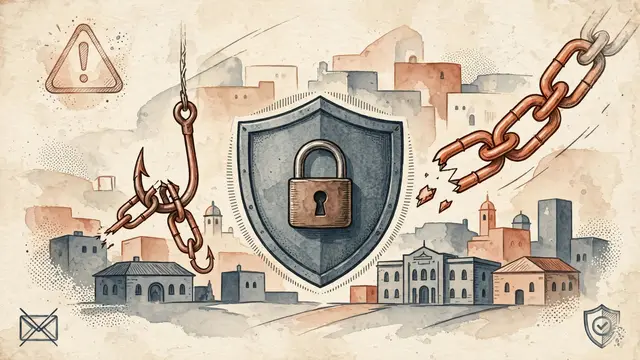
Israeli residents are being targeted by a new wave of sophisticated phishing SMS messages designed to steal personal and financial information. These fraudulent messages impersonate local municipalities, claiming residents owe money for municipal taxes, garbage collection, parking fines, or water bills. The messages urge immediate payment via a provided link, threatening penalties, interest, and even asset seizure if not paid promptly.
A key indicator of these scams is the lack of specific municipal identification in the messages, according to the Center for Local Government in Israel. The messages often contain generic phrasing like "Dear resident" and fail to name the specific municipality involved.
Matan Gidron, CEO of Fisherman Security, analyzed the phishing page and revealed that any data entered, including bank card details, ID numbers, and passwords, is immediately sent to the scammer's Telegram account. "Within seconds, the hacker gets a full 'identity package' that allows him to steal money and immediately gain access to the victim's other accounts," Gidron stated.
Experts advise residents against clicking links in such messages to make payments. Instead, they recommend independently visiting the official website of the relevant local authority or logging into their personal account to verify any outstanding debts. For those using the MuniBox digital wallet, payments can be made directly through the PayBox app.
The Center for Local Government also warns that similar schemes may target other organizations, such as toll road operators or postal services. They urge caution and verification through official channels before making any payments.
Keep up with
Mentioned








