
150,000 Attend Final Selichot Prayers at Western Wall Before Yom Kippur
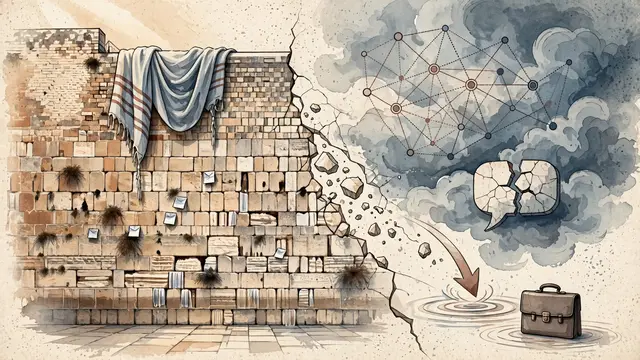
Approximately 150,000 people gathered at the Western Wall Plaza in Jerusalem on Saturday night for the final Selichot (penitential prayers) service before Yom Kippur. The event marked the culmination of Selichot services held throughout the month of Elul and the Ten Days of Repentance, drawing massive crowds to the Old City.
Thousands began arriving early in the evening, filling the plaza and surrounding areas as the main service approached. The prayers, recited just hours before Yom Kippur began, included traditional Selichot piyutim (liturgical poems) and petitions for the peace of the state, the safety of IDF soldiers and security forces, and the recovery of the wounded.
Among the attendees were several former hostages, including Eliya Cohen, Rom Barslavsky, Elkana Bohbot, and Ohad Ben Ami, as well as Ziv Avod, a survivor of the Nova music festival attack. They received cheers and applause from the crowd.
Prime Minister Benjamin Netanyahu and his wife Sara, Chief Rabbis David Yosef and Kalman Meir Bar, Rabbi of the Western Wall Shmuel Rabinowitz, and Jerusalem Mayor Moshe Lion were among the dignitaries present. Netanyahu offered a prayer for the IDF and security forces, while the Chief Rabbis prayed for unity and peace.
Rabbi Rabinowitz noted the large and diverse turnout, emphasizing the Western Wall's ability to unite people from various backgrounds. He expressed hope for healing, comfort, and unity in the coming year. Due to the immense crowd, large screens were set up in the Old City to allow those unable to reach the plaza to follow the service.
The Western Wall Heritage Foundation reported nearly two million visitors during the entire Selichot period. The services concluded with preparations for Yom Kippur prayers, with thousands expected to attend throughout the fast, culminating in the Neilah service and the traditional shofar blast.
The same event, reported separately by each outlet. Open a few to compare what different newsrooms emphasize — and what they leave out.
















Not the same event — other stories that share this one’s people, places, or theme: background, reactions, and follow-ups.