
US Grants Visas to Iranian Leaders, Denies Entry to Palestinian Authority Chairman Abbas
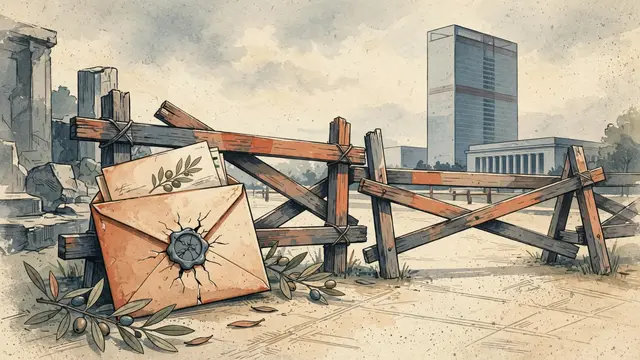
The U.S. State Department has approved visas for Iranian President Masoud Pezeshkian and Foreign Minister Abbas Araghchi to attend the upcoming United Nations General Assembly in New York. This decision comes despite ongoing tensions and mutual threats between the two countries.
In contrast, Washington has denied a visa request from Palestinian Authority Chairman Mahmoud Abbas for the second consecutive year. U.S. officials, speaking to the Associated Press, identified Pezeshkian and Araghchi as the Iranian officials receiving visas, noting they are perceived as more pragmatic figures within the Islamic Republic.
The State Department stated that the Iranian delegation will be smaller than last year's and will face travel restrictions, including prohibitions on purchasing luxury goods and other items, in line with U.S. policy. Similar restrictions were imposed on Iranian diplomats at the previous UN General Assembly.
The Palestinian Authority accused the State Department of "internationalizing" the conflict with Hamas by pursuing actions in international courts, funding Palestinian prisoners, and seeking unilateral recognition of a Palestinian state. Washington cited the PA's failure to implement promised reforms and its actions undermining peace prospects as reasons for the visa denial.
Despite the visa denial, the existing exemption for staff of the Palestinian Permanent Observer Mission to the UN will remain in effect. The Palestinian Authority criticized the decision, calling it punitive and counterproductive to peace efforts, suggesting it emboldens forces seeking to undermine a two-state solution. Reuters reported that the 193 member states of the General Assembly will vote on whether to allow Abbas to deliver a recorded statement, as occurred last year. Abbas had reportedly appealed to Turkish President Recep Tayyip Erdoğan to intervene with President Trump, but the administration indicated no change in its stance.
The same event, reported separately by each outlet. Open a few to compare what different newsrooms emphasize — and what they leave out.






























Not the same event — other stories that share this one’s people, places, or theme: background, reactions, and follow-ups.
