
US Grants Visas to Iranian Officials, Denies Abbas Entry to UN Assembly
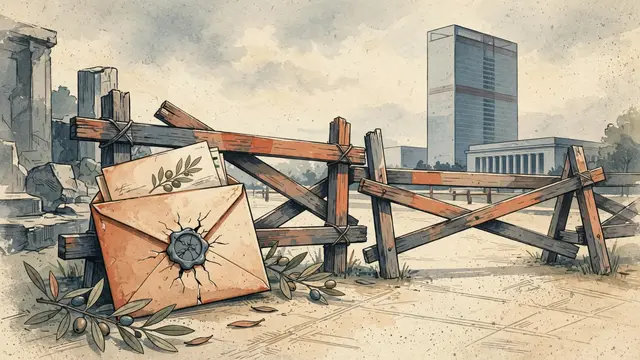
The United States has approved visas for key Iranian officials, including President Masoud Pezeshkian and Foreign Minister Abbas Araghchi, to attend the upcoming UN General Assembly in New York. This decision comes amid ongoing tensions and mutual threats between the two countries. U.S. officials confirmed the visas were for Iran's "core delegation," with Pezeshkian and Araghchi reportedly seen as more pragmatic figures within the Islamic Republic.
In stark contrast, the U.S. State Department again denied a visa request from Palestinian Authority Chairman Mahmoud Abbas (Abu Mazen), preventing him from attending the General Assembly to deliver a speech. This marks the second consecutive year Abbas has been denied entry, forcing him to address the assembly via video in 2025. The U.S., as the host nation for the UN headquarters, has some discretion in granting or denying visas, even for foreign leaders attending the assembly.
Despite approving the Iranian delegation's visas, the U.S. will impose travel restrictions, similar to those in place during previous assemblies. These limitations include prohibitions on purchasing luxury goods and restricting movement to essential areas. The State Department cited the Palestinian Authority's actions, such as pursuing cases at international courts, paying prisoners in Israel, and seeking unilateral statehood recognition, as reasons for denying Abbas's visa. They also pointed to the PA's failure to implement reforms and actions undermining peace prospects.
Meanwhile, reports emerged of Iran intercepting two U.S. drones recently, following an announcement by Iran's Revolutionary Guard Corps about an attack on a oil tanker in the Strait of Hormuz. President Donald Trump has also indicated he is nearing a critical decision regarding potential military action against Iran, stating, "I have a big decision coming up. Do I want to terminate the Iranian regime or not?" He suggested the UN General Assembly would be an opportunity to discuss the matter with U.S. allies. Trump has previously hinted at or threatened strikes against Iran, with U.S. military deployments in the Middle East being extended, suggesting a potential for prolonged conflict.
The same event, reported separately by each outlet. Open a few to compare what different newsrooms emphasize — and what they leave out.






























Not the same event — other stories that share this one’s people, places, or theme: background, reactions, and follow-ups.