
Likud Rejects Kushner's Account of Gaza Ceasefire Deal
Translated & summarized from 0404 by baba
Israel's Likud party rejected former US envoy Jared Kushner's account of how a Gaza ceasefire and hostage deal was reached, arguing that military pressure and President Trump's direct involvement were the key factors, not US leverage over Israel's diplomatic isolation.
The story in 5 lines · by baba
- Likud disputes Jared Kushner's account of Gaza ceasefire deal negotiations.
- Likud claims military pressure and Trump's direct role were decisive.
- Kushner suggested US leveraged Israel's diplomatic isolation.
- The dispute is seen as a political struggle for credit.
- Netanyahu's military actions are highlighted by Likud.
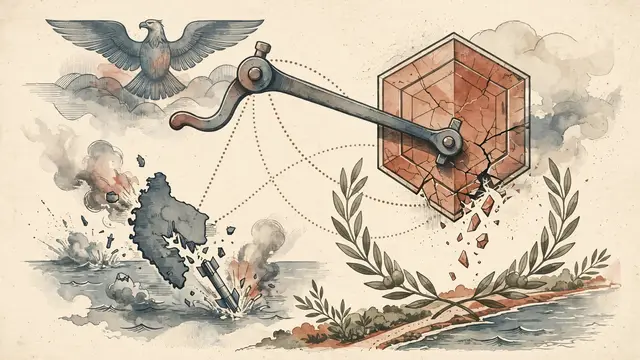
The Likud party has publicly disputed claims made by former US envoy Jared Kushner regarding the negotiations that led to the Gaza ceasefire and hostage release agreement. Kushner had suggested that the US administration leveraged Israel's complex diplomatic situation and international isolation following a recent attack to pressure Jerusalem and advance the deal.
In response, Likud presented a different narrative, asserting that the primary factors compelling Hamas to agree were increased Israeli military pressure and direct, forceful engagement from then-US President Donald Trump. The party stated that Prime Minister Benjamin Netanyahu's decision to expand the military operation into Gaza City, coupled with strikes against Hamas leaders in Qatar, significantly pressured the organization's leadership.
According to Likud, Trump simultaneously exerted heavy diplomatic pressure. The party believes this combination of Israeli military action and American pressure was what caused Hamas to concede on key demands. This response aims to attribute the breakthrough to Netanyahu's assertive policy and coordination with Trump, rather than to Israel's perceived diplomatic weakness or international isolation.
The dispute highlights a broader disagreement over what drove the progress in negotiations. Kushner's version emphasizes US ability to use Israel's international standing as leverage, while Likud insists the deal resulted from intensified pressure on Hamas, not pressure on Israel. The current debate is framed as a political struggle for credit, with Likud seeking to portray the agreement as a success of sustained military pressure and strong US backing, and Kushner's account focusing on Washington's diplomatic maneuvering.
Mentioned
The same event, reported separately by each outlet. Open a few to compare what different newsrooms emphasize — and what they leave out.
Left 1Centre 8Right 3Haredi 3Arab 1Other 3






















