
US Treasury to Announce Historic Sanctions Package Against Iran to Isolate Its Economy
Translated & summarized from Globes by baba
US Treasury Secretary Steven Mnuchin will announce a historic sanctions package aimed at economically isolating Iran, targeting its oil exports and financial transactions globally. The US demands allies stop business with Iran, threatening penalties for non-compliance, with China as a key focus. Iran rejects the sanctions, calling them desperate and warning of severe consequences. The move raises oil prices amid fears of supply disruption.
The story in 6 lines · by baba
- US Treasury to unveil largest-ever economic sanctions against Iran today.
- Sanctions target Iranian entities and any companies or countries trading with Iran.
- China, buying over 80% of Iran's oil exports, is the main target of the sanctions.
- Iran dismisses sanctions as desperate and warns supporters may face 'acts of war' accusations.
- Oil prices rise above $90 per barrel amid fears of supply disruption in the region.
- US aims to force Iran's economic collapse, challenging decades of failed pressure.
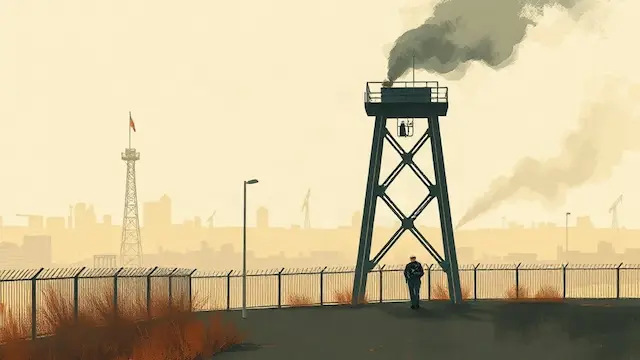
US Treasury Secretary Steven Mnuchin is set to hold a press conference today to unveil a sweeping sanctions package targeting Iran, described by him as the largest economic isolation campaign in history. In an op-ed for the Financial Times, Mnuchin called the move the biggest single financial attack ever launched against an adversary. Speaking to CNBC, he vowed to "collapse" the Islamic Republic through the "harshest sanctions in history," demanding that US allies and the global community cease all business with Iran. Mnuchin warned that the US would wield its full power against entities that do not comply, stating, "You are either with us or against us." The sanctions will extend beyond Iranian companies and institutions to penalize banks, companies, and countries that continue to transfer money to Iran, purchase its oil, or facilitate its trade, leveraging the US's influence over the international financial system to broaden the sanctions' reach.
China, which imports over 80% of Iran's exported oil according to Kpler data cited by Reuters, is the primary target of these measures. Beijing has already criticized sanctions and economic pressure as ineffective and called for a diplomatic resolution. Meanwhile, Tehran has dismissed the threats; Iranian Foreign Minister Abbas Araghchi labeled the sanctions as a sign of American desperation and predicted their failure. A senior official from Iran's Supreme National Security Council warned that countries supporting the sanctions might be considered to be committing an "act of war."
The announcement comes amid rising market tensions, with Brent crude oil prices climbing above $90 per barrel due to concerns over supply disruptions in the region and the strategic Strait of Hormuz. For Washington, the key question remains whether these sanctions can succeed where decades of economic pressure have failed to force Iran into submission. For Tehran, the challenge is to circumvent the sanctions and maintain vital revenue streams, particularly oil exports to China.
Mentioned







