
US Considers Reducing Military Presence in Gulf After Iran Conflict
Translated & summarized from N12 by baba
The US Pentagon is considering reducing its military presence in the Persian Gulf after repeated Iranian attacks damaged bases during the recent conflict. Options include relocating forces to Jordan, Saudi Arabia, or Israel, though concerns about espionage complicate plans. Gulf allies may face increased security challenges if US troop levels decline.
The story in 6 lines · by baba
- US Pentagon evaluates cutting military forces in the Persian Gulf post-Iran conflict.
- Repeated Iranian attacks damaged US bases, prompting reassessment of rebuilding them.
- Relocation of troops to Jordan, Saudi Arabia, or Israel is under consideration.
- Concerns about Israeli espionage create debate over moving large US forces to Israel.
- Gulf allies rely on US troops for defense; reductions could leave them vulnerable.
- CENTCOM commander supports moving forces westward away from Gulf bases.
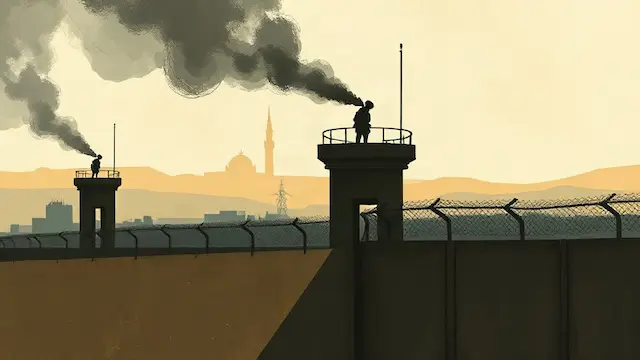
The US Department of Defense is evaluating a potential reduction of American military forces in the Persian Gulf following the recent conflict with Iran, according to a Washington Post report on August 18, 2026. The Pentagon has not yet completed a formal analysis but is considering whether to rebuild bases damaged by repeated Iranian attacks or to abandon them altogether. This reassessment reflects a possible shift in the US military's strategic posture in the region.
Currently, US Central Command (CENTCOM) manages about 40,000 troops across roughly 20 sites stretching from Jordan to Oman. Since the start of the year, the US has bolstered its presence with warships, fighter jets, air defense systems, and other essential equipment to protect its forces amid ongoing hostilities. The US military has conducted over 13,000 strikes against Iranian targets during the campaign.
One option under consideration is relocating forces westward to countries such as Jordan, Saudi Arabia, or Israel to ease pressure on Gulf bases. However, this proposal faces internal debate, particularly regarding a significant troop presence in Israel, due to concerns about counterintelligence risks amid growing Pentagon fears of Israeli espionage. Former US Ambassador to Saudi Arabia Michael Ratney described such moves as "not a perfect solution."
The largest US military installations in the Middle East are in the Gulf, including the Fifth Fleet headquarters in Bahrain and other bases in Kuwait. Gulf allies have relied on US forces for decades to defend against Iranian threats. Any reduction in American troops could leave these states vulnerable, requiring them to develop independent defense capabilities or seek new partnerships, a process expected to take months or years.
Admiral Bradley Cooper, CENTCOM commander, supports exploring the repositioning of forces away from the Gulf. Prior to the conflict's outbreak in February, CENTCOM had already withdrawn from several bases deemed too vulnerable. Officials indicate that some force relocations may continue post-conflict to enhance security and operational flexibility. A source familiar with the deployments noted, "Iran believes we are in our usual locations, but we are not," underscoring ongoing strategic adjustments.
Mentioned
The same event, reported separately by each outlet. Open a few to compare what different newsrooms emphasize — and what they leave out.
Centre 3Right 1Haredi 2






Not the same event — other stories that share this one’s people, places, or theme: background, reactions, and follow-ups.

