
Israel Prepares Extensive Nighttime Strikes in Lebanon After Hezbollah Drone Attack
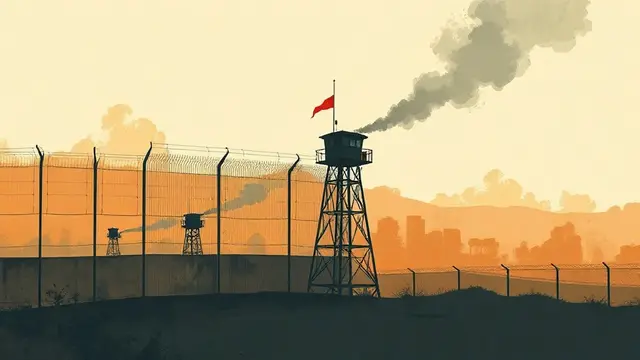
Israeli military forces are preparing for a broad offensive in Lebanon involving airstrikes and heavy artillery fire throughout the night. This escalation follows a series of incidents that began early on August 15, when a Hezbollah explosive drone struck an Israeli commando unit operating in the Ali Taher ridge area in southern Lebanon, injuring three soldiers. Two of the wounded remain in serious condition in intensive care, while the third is in moderate condition.
In response, the Israel Defense Forces (IDF) launched a powerful counterattack targeting two main locations in southern Lebanon. One strike eliminated a Hezbollah battalion commander in Ansar, who was reportedly sheltering with his family and other civilians, who were also harmed. Additional attacks hit several Hezbollah military infrastructures in Nabatiyeh. Lebanese sources reported 13 fatalities and 20 injuries from the recent clashes.
Northern Israeli communities, including Kiryat Shmona and the Galilee region, were warned by local authorities and the Northern Command to expect loud explosions throughout the night due to the planned military operations. Officials emphasized that these are proactive IDF actions and that there is no change in the current security assessment or civilian defense instructions. Any updates will be communicated immediately.
The Prime Minister's Office condemned Hezbollah's use of civilians as human shields, highlighting that the battalion commander deliberately gathered family members and civilians at the command post to prevent Israeli strikes. The Ali Taher ridge remains a complex and strategic underground Hezbollah stronghold, where Israeli forces continue to conduct search and neutralization operations.
This development marks a significant intensification of hostilities between Israel and Hezbollah, with the IDF signaling readiness for sustained operations in Lebanon.
The same event, reported separately by each outlet. Open a few to compare what different newsrooms emphasize — and what they leave out.











Not the same event — other stories that share this one’s people, places, or theme: background, reactions, and follow-ups.



Ask About This Article
Duki reads it, and every newsroom on the same story, then answers with sources.