
Israeli Hip Hop’s Journey From Underground Roots to National Mainstream Spotlight
Translated & summarized from N12 by baba
The documentary "Black Gold" traces Israeli hip hop’s rise from 1990s underground band Shabak Samech to mainstream success, highlighting the genre’s cultural and political challenges. Created over three years, it features rare footage and artist interviews, showing how Hebrew rap became a national soundtrack despite internal conflicts and societal obstacles.
The story in 6 lines · by baba
- Israeli hip hop evolved from 1990s underground roots to a mainstream national genre.
- The documentary "Black Gold" premiered on Kan 11 on July 21, 2026, after three years of production.
- Shabak Samech, led by Nimi Nim and Filoni, pioneered Hebrew rap and influenced many artists.
- The series uses rare 1990s footage and creative storytelling to depict hip hop’s history in Israel.
- Israeli hip hop faced political divides and security challenges but remained a vital cultural outlet.
- Veteran artists express pride in the genre’s growth and the new generation of Hebrew rappers.
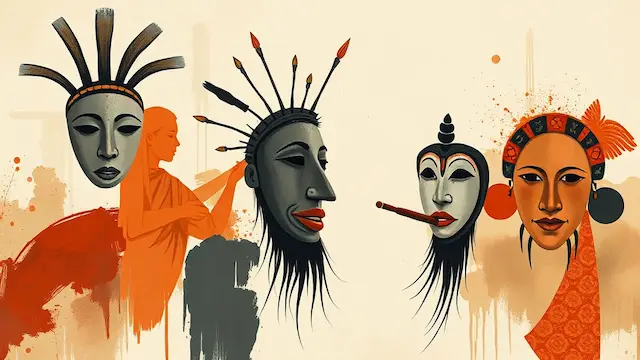
The new documentary series "Black Gold," which premiered on July 21, 2026, on Kan 11, chronicles the evolution of Israeli hip hop from its underground beginnings in the 1990s to its current status as a major part of the national music scene. The series highlights the pioneering role of the band Shabak Samech, whose members Nimrod Reshef (Nimi Nim) and Danny Krak (Filoni) reflect on how they challenged prevailing musical norms and helped establish Hebrew rap as a legitimate genre.
Created over three years by directors Rom Atik and Amri Dekel-Kadosh, "Black Gold" combines rare archival footage, expressive animation, and scripted detective-style storytelling to capture the genre’s complex history. The series pays tribute to key figures like music producer Yossi Fine and the influential radio show "Black Business" (1996-2007) on Galgalatz, which helped popularize hip hop in Israel. At the Docaviv festival premiere, Shabak Samech’s legacy was evident as many quotes from the band were cited by contemporary artists turned producers and directors.
The documentary also explores internal band dynamics, including Nimi Nim’s departure in the late 1990s due to the challenges of balancing his music career with other commitments. Despite lineup changes and occasional conflicts, Shabak Samech endured, with Filoni emphasizing the music’s importance beyond individual members. The series does not shy away from the political tensions within Israeli hip hop, from the early 2000s split between right-wing voices like Subliminal and HaTzel and left-leaning groups such as Hadag Nahash, to the ongoing impact of security challenges on artists’ work.
Nimi Nim and Filoni discuss continuing to create music amid Israel’s complex political and security environment, viewing hip hop as a vital outlet and source of healing. The second part of the series covers hip hop’s mainstream breakthrough, exemplified by artists like Tuna and Ravid Plotnik selling out multiple shows at Live Park in 2023. Both veterans express pride in the new generation of Israeli rappers and the genre’s acceptance, noting how they had to educate audiences and themselves to embrace this new musical language. Filoni concludes, "Who would have believed you could do rap in Hebrew?"
Mentioned


