
Netanyahu's 2021 Model: Direct PM Elections Considered by Coalition Bloc
Translated & summarized from Maariv by baba
Israel's "change bloc" is exploring a return to direct prime ministerial elections, a model previously proposed by Benjamin Netanyahu in 2021, to break the current political deadlock. This option, along with a potential limit on prime ministerial terms, aims to circumvent coalition challenges but faces significant legal and legislative obstacles. The success of these proposals hinges on the parties' ability to agree on fundamental changes to the electoral system.
The story in 6 lines · by baba
- The "change bloc" is considering direct prime minister elections without dissolving the Knesset.
- This electoral model was previously proposed by Benjamin Netanyahu in 2021.
- A separate proposal to limit a prime minister's tenure to two terms is also under discussion.
- Netanyahu previously supported term limits in a 1997 interview.
- Both direct elections and term limits require significant legislative changes and face legal challenges.
- The proposals aim to break the current political stalemate and coalition-building difficulties.
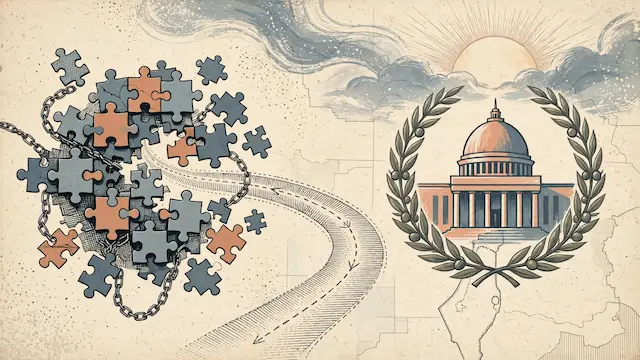
Amidst a political stalemate, the "change bloc" is reportedly considering a dramatic proposal for direct elections for prime minister without dissolving the Knesset. This approach mirrors a model previously suggested by Benjamin Netanyahu himself in 2021. The idea aims to break the deadlock and potentially bypass the need for broad coalition agreements, including with Arab parties, as analyzed by "Ha'ozer Tov." However, direct elections would necessitate significant legislative changes and do not guarantee a parliamentary majority for the winner, potentially leading to an unstable government.
Concurrently, a separate proposal to limit a prime minister's tenure, possibly to two terms or eight years, is also being discussed. This measure could prevent Netanyahu from running again, though its implementation faces considerable legal and political hurdles, including questions about its retroactive application. Netanyahu himself expressed support for term limits in a 1997 interview with Dan Shilon, stating that what cannot be achieved in the first term can be done in the second, and what is not done by the second term will not be done at all.
Implementing direct elections or term limits would require substantial legislative action and overcoming legal challenges. The possibility of a directly elected prime minister forming a government without sufficient parliamentary support also depends on the specifics of new legislation. These options are currently part of political discussions rather than a finalized legislative plan. As Netanyahu continues as interim prime minister and the change bloc struggles to form a coalition, the debate over altering the electoral system has resurfaced, with the key question being whether parties can reach consensus on changing the rules of the game.




