
Israeli Military Doubts Short War With Iran Will Achieve Goals
Translated & summarized from Al-Shams by baba
The Israeli military is concerned that a short U.S. military campaign against Iran next month will not achieve Israel's goals of regime change and nuclear program destruction. Prime Minister Netanyahu's objectives differ from President Trump's focus on a deal for U.S. benefit, potentially leading to a settlement that leaves Iran's regime and nuclear ambitions intact. Military officials doubt the effectiveness of limited strikes and fear a confrontation could strengthen Iran's nuclear resolve, with intelligence suggesting a full halt requires a political agreement.
The story in 5 lines · by baba
- Israeli military fears a short U.S. war with Iran will not achieve Israel's goals.
- Prime Minister Netanyahu seeks regime change, while President Trump focuses on a nuclear deal.
- Israeli military doubts limited strikes can collapse Iran's regime or halt its nuclear program.
- Officials worry a confrontation could strengthen Iran's resolve to acquire nuclear weapons.
- Intelligence suggests a full halt to Iran's nuclear program requires a political agreement.
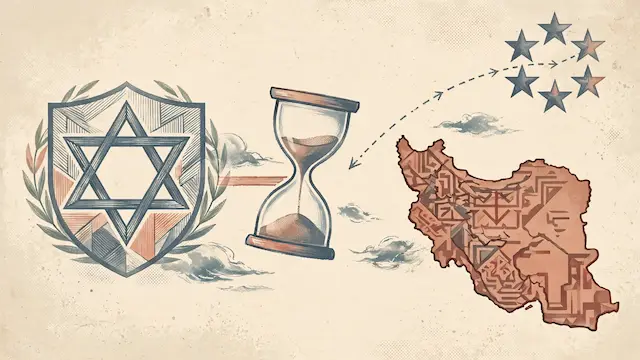
The Israeli military is increasingly concerned that a limited U.S. military campaign against Iran next month would fail to achieve Israel's strategic objectives. Military assessments suggest such a conflict could end in an agreement that benefits Washington, while leaving the Iranian regime in place and allowing its nuclear program to continue.
According to the newspaper Haaretz, the Israeli defense establishment believes a divergence between the goals of U.S. President Donald Trump and Israeli Prime Minister Benjamin Netanyahu could lead to a political settlement that does not meet Israeli demands and might even negatively impact Israel's standing in the United States.
Netanyahu reportedly seeks the overthrow of the Iranian regime and the destruction of its nuclear program, whereas Trump's focus is on a deal with terms favorable to the U.S., including restrictions on Iran's nuclear activities and ensuring freedom of navigation in the Strait of Hormuz. The Israeli military reportedly does not view Iranian restrictions on shipping in the Strait of Hormuz as a direct strategic threat necessitating war, unlike Netanyahu, who sees Trump's willingness to use force as an opportunity to strike Iranian capabilities.
Within the Israeli military, including intelligence and air force branches, there are doubts about the effectiveness of a short military campaign in fundamentally altering Iran's situation. Sources cited by Haaretz indicated that strikes on military infrastructure, weapons production facilities, and research centers would not necessarily lead to the regime's collapse or compel it to surrender, nor would they guarantee Iran would cease uranium enrichment.
Israeli military officials fear that anticipated U.S. strikes could influence Israel's decision to join the confrontation, potentially resulting in a campaign that falls short of core Israeli objectives, leaving the Iranian regime intact and possibly strengthening its resolve to acquire nuclear weapons. The military estimates that previous confrontations have, paradoxically, bolstered Iran's motivation to pursue nuclear weapons as a means of self-preservation and deterrence against the U.S. and Israel.
Israeli intelligence assessments suggest that while military attacks might damage and delay Iran's nuclear program, a complete halt is unlikely without a political agreement imposing international oversight. This reflects Israeli anxiety that any new confrontation could conclude with a U.S.-Iran understanding focused on the nuclear issue and the Strait of Hormuz, without addressing Israel's demands for regime change and the termination of Iran's nuclear capabilities.
Mentioned
The same event, reported separately by each outlet. Open a few to compare what different newsrooms emphasize — and what they leave out.
Left 1Arab 1

Not the same event — other stories that share this one’s people, places, or theme: background, reactions, and follow-ups.



