
Israeli Election Campaign Marked by Unprecedented Incivility and Violence
Translated & summarized from Maariv by baba
Israel's recent election campaign was marred by extreme ugliness, including the politicization of the military and hostage families, and widespread paranoia aimed at undermining election results. The campaign saw significant physical violence, with activists attacked and property vandalized. Ethical breaches included the use of AI-generated deepfakes to defame candidates, highlighting a severe decline in public discourse and conduct.
The story in 5 lines · by baba
- The recent Israeli election campaign was exceptionally ugly, blurring lines between reality and language.
- Candidates politicized military service and used hostage families as political pawns.
- There were systematic efforts to undermine election results before voting began.
- Physical violence against activists and vandalism of campaign materials were widespread.
- AI-generated deepfakes were used to defame candidates, marking an ethical breach.
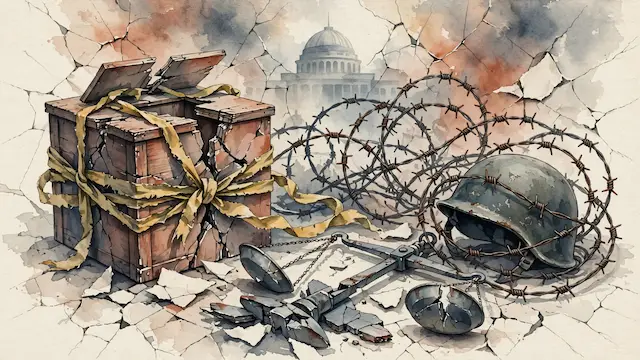
The recent Israeli election campaign, described as particularly ugly, saw a blurring of lines between language, imagination, and reality, with the term "retouching" reverting to its original meaning of "to tear apart, crush, and destroy." Candidates frequently politicized military service and the IDF, accusing former officers of failing to prevent the October 7th attack and others of promoting messianic wars. Families of fallen soldiers and hostages were also used as political pawns, with each side attacking those who supported the opposing political faction.
The campaign was characterized by widespread paranoia and systematic efforts to undermine the election results even before voting began. Claims of impending fraud, manipulation of data by the Central Elections Committee, and deliberate disruption of computer systems were circulated. This preemptive campaign aimed to lay the groundwork for rejecting the outcome, regardless of the vote count.
Physical violence was also prevalent. Thugs attacked activists and protest guards at key intersections and bridges across the country, issuing threats and using pepper spray. Gangs burned and tore down campaign posters and threatened citizens displaying them on balconies. Politicians from across the spectrum required heavy security, with some facing threats outside their homes and at private events. In Jerusalem, masked individuals attacked campaign activists with clubs and pepper spray, destroyed stalls, threatened passersby, and vandalized party headquarters with slogans like "Traitors to the gallows."
The campaign also saw extreme ethical breaches, including the use of AI-generated videos to defame candidates. One instance involved creating a deepfake of a fallen soldier to attack his bereaved father, who was running for leadership. Despite transparency laws requiring disclosure of deepfakes, this tactic was employed. Candidates were also subjected to personal attacks, with one being called "dying, a political corpse unfit to lead the country."


