
Israel to Overhaul Home Internet Market, Cut Prices
Translated & summarized from Cursorinfo by baba
Israel's Ministry of Communications is initiating a reform to lower home internet prices and simplify switching providers. The ministry is collecting data from ISPs to identify "sleeping clients" overpaying for outdated plans. The reform aims to reduce monthly bills to 80 shekels or less and will introduce universal routers and a "one-stop-shop" system for easier provider changes.
The story in 5 lines · by baba
- Israel's Ministry of Communications is launching a reform to lower home internet prices.
- The reform aims to identify and help "sleeping clients" who overpay for outdated plans.
- Monthly high-speed internet bills could be reduced to 80 shekels or less.
- The reform will simplify switching providers and eliminate mandatory router rentals.
- A "one-stop-shop" system will manage provider changes and contract cancellations.
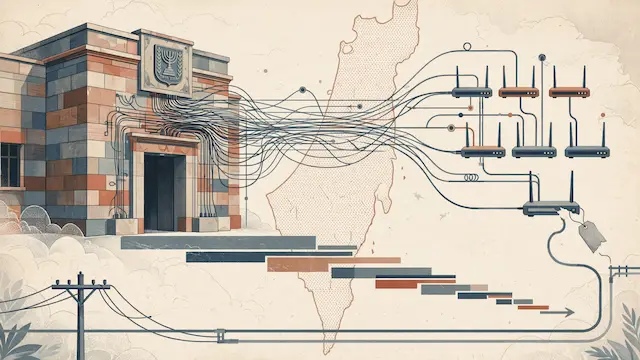
Israel's Ministry of Communications has launched a major reform of the wired internet market, aiming to significantly reduce costs for consumers and simplify the process of switching providers. The ministry has officially requested comprehensive commercial data from internet service providers, including their current pricing structures, subscriber acquisition and churn rates, and other relevant information. The primary goal of this initiative is to identify "sleeping clients", customers who have been overpaying for outdated internet plans for extended periods without changing providers.
The reform seeks to drastically lower internet subscription fees and remove technological barriers to switching, mirroring changes previously made in the mobile sector. Currently, a 2.5 Gb/s fiber optic plan from Bezeq, including router rental, costs around 139 shekels per month. Some subscribers are reportedly paying up to 180 shekels monthly for slower connections over older copper infrastructure. The Ministry of Communications estimates that the new regulations could reduce monthly high-speed internet bills to 80 shekels or less.
Analysis of consumer complaints reveals significant difficulties in switching providers, including lost workdays for technician appointments, transportation costs for equipment returns, potential penalties, and double billing. To address these issues, the reform will eliminate mandatory router rentals, which cost consumers about 20 shekels monthly. Instead, customers will be offered the option to purchase a universal router compatible with all providers. A unified technological standard will enable remote, self-installation of private equipment without requiring a technician visit.
Furthermore, a "one-stop-shop" system will be implemented, where customers deal solely with their new provider, who will manage the switch and cancellation of the previous contract, preventing double payments. The outgoing provider will be responsible for collecting old equipment without additional cost to the user. The regulator is also considering establishing a central technological clearinghouse to synchronize inter-operator processes.

