Israel Weighs Crypto Amid Sanctions Fears, Central Bank Urges Caution
Translated & summarized from Ice by baba
Prime Minister Benjamin Netanyahu has ordered preparations for potential sanctions using digital currencies, but the Bank of Israel warns cryptocurrencies cannot bypass sanctions. Examples from Russia, North Korea, and Iran show crypto's limited use in circumventing sanctions, often involving illicit activities. An anonymous source criticized Netanyahu's crypto approach, stating he "doesn't understand crypto." Israel's economic future depends on Western ties, not risky technological shortcuts.
The story in 5 lines · by baba
- Prime Minister Benjamin Netanyahu ordered preparations for potential sanctions using digital currencies.
- The Bank of Israel stated cryptocurrencies cannot serve as a bypass for sanctions.
- Russia, North Korea, and Iran have used crypto amid sanctions, with mixed results and illicit activities.
- An anonymous source criticized Netanyahu, stating he "doesn't understand crypto."
- Israel's economic prosperity relies on Western ties, not risky technological shortcuts.
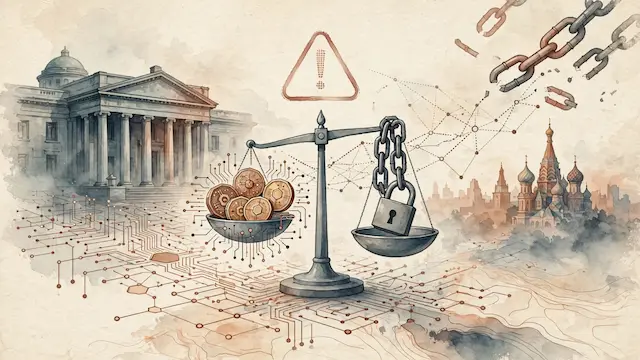
Prime Minister Benjamin Netanyahu has instructed officials to prepare a plan for potential economic and banking sanctions, including the use of blockchain technology and digital currencies as alternatives. However, the Bank of Israel has strongly cautioned against this approach, stating that "cryptocurrencies cannot serve as a bypass for sanctions." The central bank emphasized that Israel's priority should be maintaining economic ties with its trading partners and preventing sanctions, rather than attempting to circumvent them.
While acknowledging that crypto can facilitate fund transfers, the Bank of Israel stressed that it does not eliminate the need for banks, trade partners, asset conversion, and access to international markets. The article highlights international examples of countries facing sanctions and their use of cryptocurrency. Russia has reportedly used Bitcoin, Ethereum, and stablecoins like USDT for oil transactions with China and India, though the scale remains small. North Korea, according to blockchain analysis firm Chainalysis, has allegedly stolen billions in crypto, with the FBI attributing cyber-heists to fund the regime's weapons programs. Iran also utilizes Bitcoin mining and crypto in financial networks linked to sanctioned entities, though experts suggest the amounts transferred to terrorist organizations via crypto are significantly less than those moved through traditional means.
An anonymous source criticized Netanyahu's consideration of crypto as a sanctions workaround, questioning if Israel would align itself with "enemy states" and "terrorist states." This source asserted that Netanyahu "doesn't understand crypto" and suggested that if he remains in government, future policy would follow the Bank of Israel's professional recommendations rather than "cheap honor games on television." The article notes this quote reflects the anonymous source's view, not an official Bank of Israel stance or a verified fact about Netanyahu's political future.
The experiences of Russia, Iran, and North Korea demonstrate that while digital currencies can offer alternative transfer methods, they do not negate trade limitations, enforcement risks, or dependence on international markets. The article concludes that Israel's economic prosperity relies heavily on Western partnerships, and the challenge is to avoid financial isolation rather than seeking shortcuts associated with "terror states." The ultimate decision rests on whether the political leadership will heed the Bank of Israel's warnings and preserve Israel's international standing or gamble on immature technological solutions.
Mentioned
The same event, reported separately by each outlet. Open a few to compare what different newsrooms emphasize — and what they leave out.
Left 1Centre 4Right 2Haredi 1Arab 1Other 6
















Not the same event — other stories that share this one’s people, places, or theme: background, reactions, and follow-ups.