
Netanyahu Defies Bank of Israel on Crypto Sanctions Plan
Translated & summarized from Cursorinfo by baba
Prime Minister Benjamin Netanyahu is proceeding with a plan to use cryptocurrencies to bypass potential international sanctions, despite opposition from the Bank of Israel. The central bank argues that digital currencies are not a solution and urges maintaining existing economic ties. Netanyahu, citing past economic successes, insists on his authority to set economic policy. The initiative, which lacks detailed public information, follows concerns about Israel's financial isolation.
The story in 5 lines · by baba
- Prime Minister Benjamin Netanyahu will proceed with a plan to use cryptocurrencies to bypass potential international sanctions.
- The Bank of Israel opposes the crypto plan, stating digital currencies are not a solution to sanctions.
- Netanyahu asserts his authority to determine economic policy, despite central bank objections.
- The initiative aims to prepare for potential economic sanctions against Israel.
- Concerns exist about the lack of detail and confirmed progress on Netanyahu's alternative financial system plan.
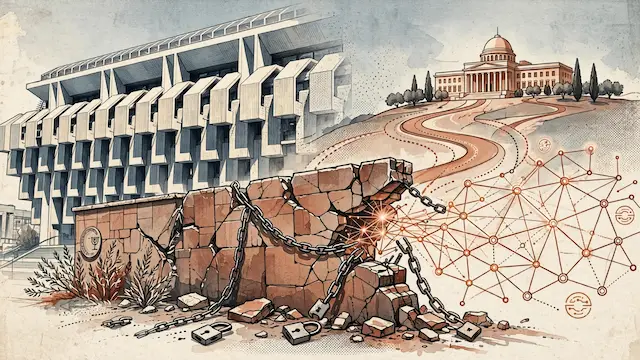
Prime Minister Benjamin Netanyahu has stated he will proceed with his initiative to explore the use of cryptocurrencies to circumvent potential international sanctions, despite objections from the Bank of Israel. Netanyahu acknowledged the central bank's recommendations but asserted his authority to determine the nation's economic policy independently. This disagreement arises amid concerns about Israel's financial isolation and a lack of detail regarding the proposed alternative settlement plan.
Netanyahu emphasized that while he values economic experts' input, including the Bank of Israel's, their views are not decisive for government decisions. He cited his past economic achievements, such as combating monopolies, reducing state spending, and increasing competition, as evidence of his successful approach and justification for continuing his chosen course. He also mentioned price and tax reductions as outcomes of his previous policies.
The dispute was triggered by a statement from the Bank of Israel following a previous interview with Netanyahu. The central bank opposed the idea of using cryptocurrencies as a tool to bypass financial restrictions, arguing that digital currencies are not a viable solution to sanctions. Instead, the Bank of Israel urged focusing on maintaining economic ties with major trading partners, stating that diplomatic and state-level solutions are the primary means to protect the economy from international isolation.
Netanyahu's initial remarks, made on October 23, suggested the possibility of economic sanctions against Israel and the need for preparation. He confirmed considering blockchain and digital currencies as part of an alternative financial system and had tasked officials with developing a plan. However, details about the system's mechanics, involved agencies, and timeline remain undisclosed. Reports indicate a lack of confirmation from relevant ministries and the Prime Minister's office regarding the existence of a working group for this initiative, raising questions about its practical progress.
The discussion also touched upon international experiences, noting that Russia and Iran's attempts to use alternative payment mechanisms under sanctions have not resolved issues with accessing international financial markets. Reports of frozen digital assets in Iran further highlight the limitations of cryptocurrency mechanisms against sanctions. For Israel's economy, particularly its high-tech and financial sectors, access to international markets is crucial, and restrictions could impact capital flow, investment, and asset management.




